How Algilà made running two hotels simpler with Clock
Ruggero Carpino shares how Algilà brought two hotels together, made training easier and gave the team a simpler way to manage everyday operations.
From one hotel to two
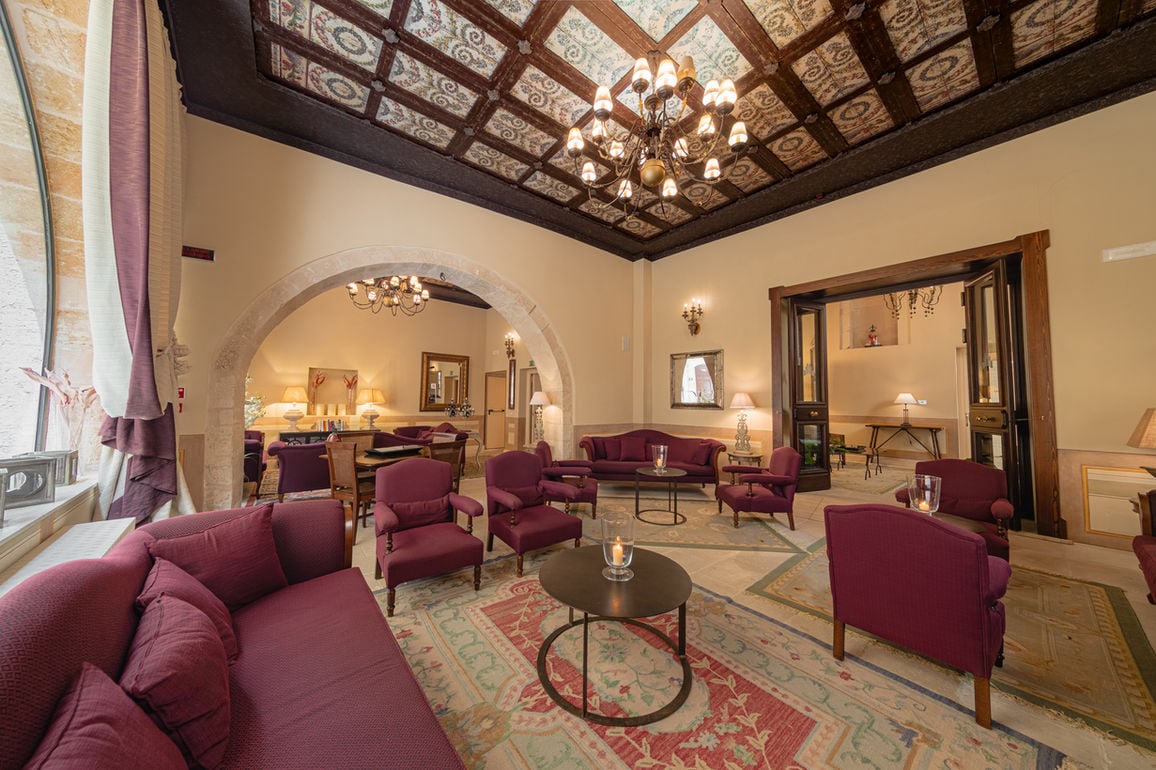
Algilà began with a single hotel in the historic centre of Ortigia, Sicily. When it opened in 2008, it had just 30 rooms.
Over the years, the business grew. The team took over Antico Hotel Roma 1880, one of the island's historic properties, and later expanded the original Algilà hotel into an additional building.
Together, the properties had grown to around 100 rooms at the time of the interview.
But running two hotels brought a problem that hadn't existed when there was only one.
The property management system they had been using couldn't properly connect the properties. Despite being close to each other, they had to be managed separately.
Staff couldn't manage one hotel from the other. And as the business grew, that limitation became harder to work around.
Algilà needed a system that could manage the business as it actually operated: two hotels, one team and one way of working.
Changing the PMS in the middle of high season
Replacing a property management system is never a small decision. Replacing one during high season is even harder.
Algilà had been using its previous PMS for five or six years. The staff knew it, the processes were familiar, and the hotels were busy.
Ruggero Carpino, Head of Customer Service & Training, admits that the team was worried about making the change.
There was a lot to learn, and very little room for disruption.
But something unexpected happened after the move to Clock.
After only a few days we understood that operations that with the other software took months and months to learn, with Clock were simple, sometimes unbelievably simple.
Things the team had once considered complicated turned out to be surprisingly straightforward.
It wasn't simply a matter of getting used to new software. The everyday operations themselves were easier to understand.
And that made a difficult change much less difficult than expected.
Making everyday work easier for the team
For Ruggero, one of Clock's biggest advantages is its ease of use.
That matters when you're responsible for training people who have different levels of experience and different responsibilities.
A receptionist shouldn't need months of training to handle a routine task. And managers shouldn't have to explain the same complicated process every time someone new joins the team.
Clock also made guest information easier to manage and access.
With the information they needed available in the system, reception staff could handle check-ins and check-outs more easily, without unnecessary steps getting in the way.
For Ruggero, easier training and simpler everyday tasks are connected.
The easier a system is to understand, the less time people spend figuring out how to use it and the more confidently they can do their work.
Managing two hotels without being everywhere at once
Running two properties means dealing with things happening in different places, sometimes at the same time.
That's particularly relevant to Ruggero's role, which includes training staff and overseeing how the hotels operate.
With the previous setup, managing operations across locations was difficult.
With Clock, he can check what's happening, review information and manage processes without having to move between the two properties for every task.
I can keep everything under control even if I'm not physically at the hotel.
For Ruggero, the important change is not where he opens the software. It's that he can keep track of the work and help the team without being physically present for every decision.
That gives him more flexibility to organise his own responsibilities and support the people working at both hotels.
Giving people the access they actually need
Another useful change was the ability to organise employee permissions around their responsibilities.
Rather than giving everyone the same predefined access, Ruggero can decide what individual employees are allowed to do.
A receptionist can be given access to the operations they need without automatically receiving access to everything else.
As responsibilities change, those permissions can be adjusted.
It's a practical way to keep the system organised, especially when people have different roles across two properties.
Clock also gives Algilà one central place for managing reservations and hotel operations, while allowing other applications to be connected where needed.
That means the team doesn't have to organise its work around unnecessary divisions between systems.
The software can reflect how people actually work, rather than asking everyone to follow the same rigid setup.
Two hotels, less complication
Algilà needed a PMS that could keep up with a growing business.
What it found in Clock was a simpler way to manage two hotels, train people and keep everyday operations under control.
The team's initial concerns about changing systems during high season were understandable. But the experience showed Ruggero that a different PMS didn't have to mean a long and complicated learning process.
Staff could understand routine operations more quickly. Managers could oversee work across both properties. Access could be organised around individual responsibilities.
None of that changes what makes Algilà special: its historic buildings, individual rooms and the personal service guests come for.
It simply makes the work behind that experience easier to organise.
Growing from one hotel to two brought new responsibilities. It didn't have to mean doubling the complexity of running them.
Think Clock might fit your hotel?
Explore how Clock can help your team, your guests and your growth.
“Easy to use”
“Fast, intuitive, and reliable”
“Saves a lot of time”
“New staff learn it quickly”
“Accessible from any device”
“Less manual work”
“Fewer booking mistakes”
“Responsive and helpful support”
“Easy to use”
“Fast, intuitive, and reliable”
“Saves a lot of time”
“New staff learn it quickly”
“Accessible from any device”
“Less manual work”
“Fewer booking mistakes”
“Responsive and helpful support”