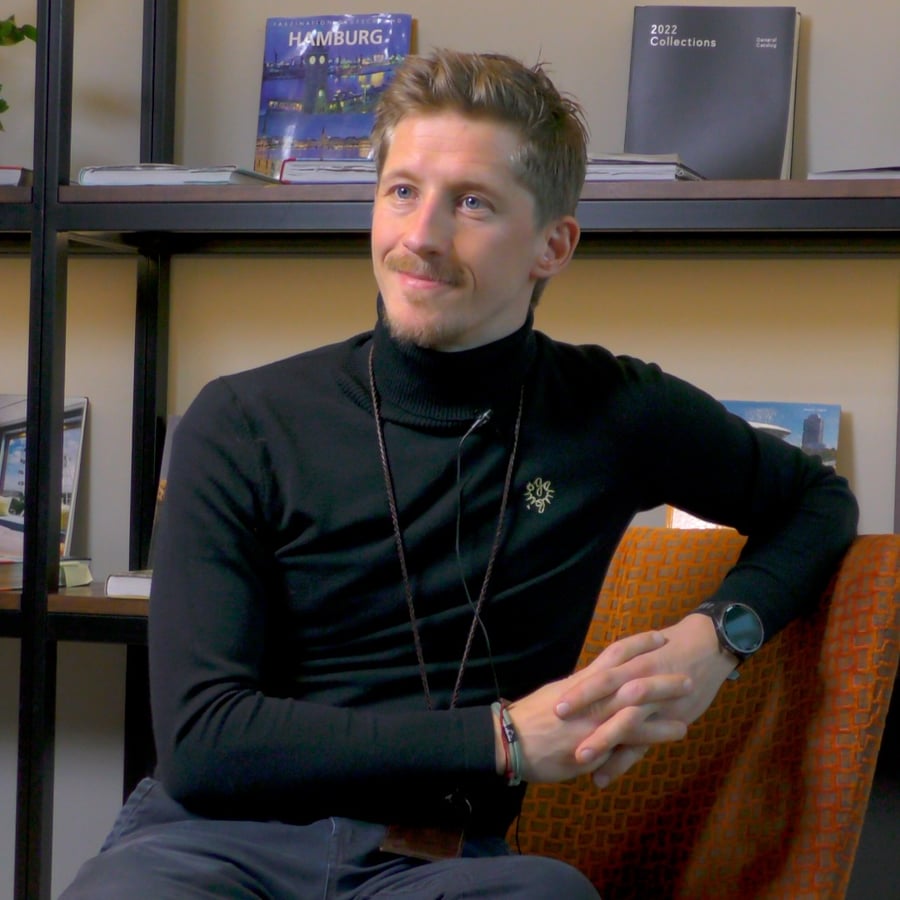
Faster processes, faster training, more time for staff, to focus on the guests, and tasks that used to be done manually are now automated.
Clock is used by large independent hotels that operate at scale — typically 150–500+ rooms, multiple departments, and several revenue centres such as rooms, food and beverage, events, activities, rentals, parking and more. The system supports daily hotel operations, distribution, events, and guest interaction in one connected setup, without forcing chain‑style standardisation or rigid workflows.
Faster processes, faster training, more time for staff, to focus on the guests, and tasks that used to be done manually are now automated.
Trusted by independent hotels worldwide











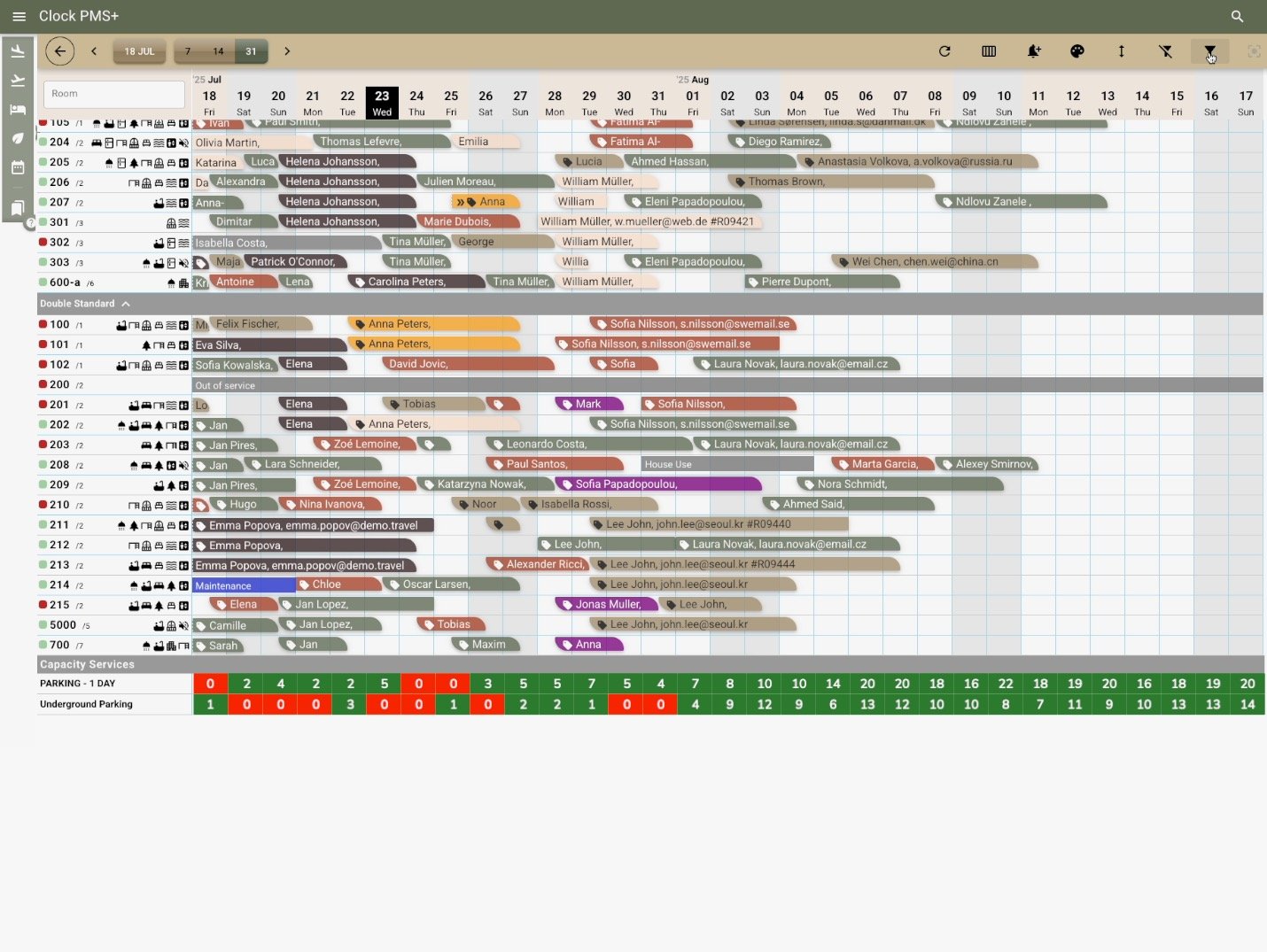
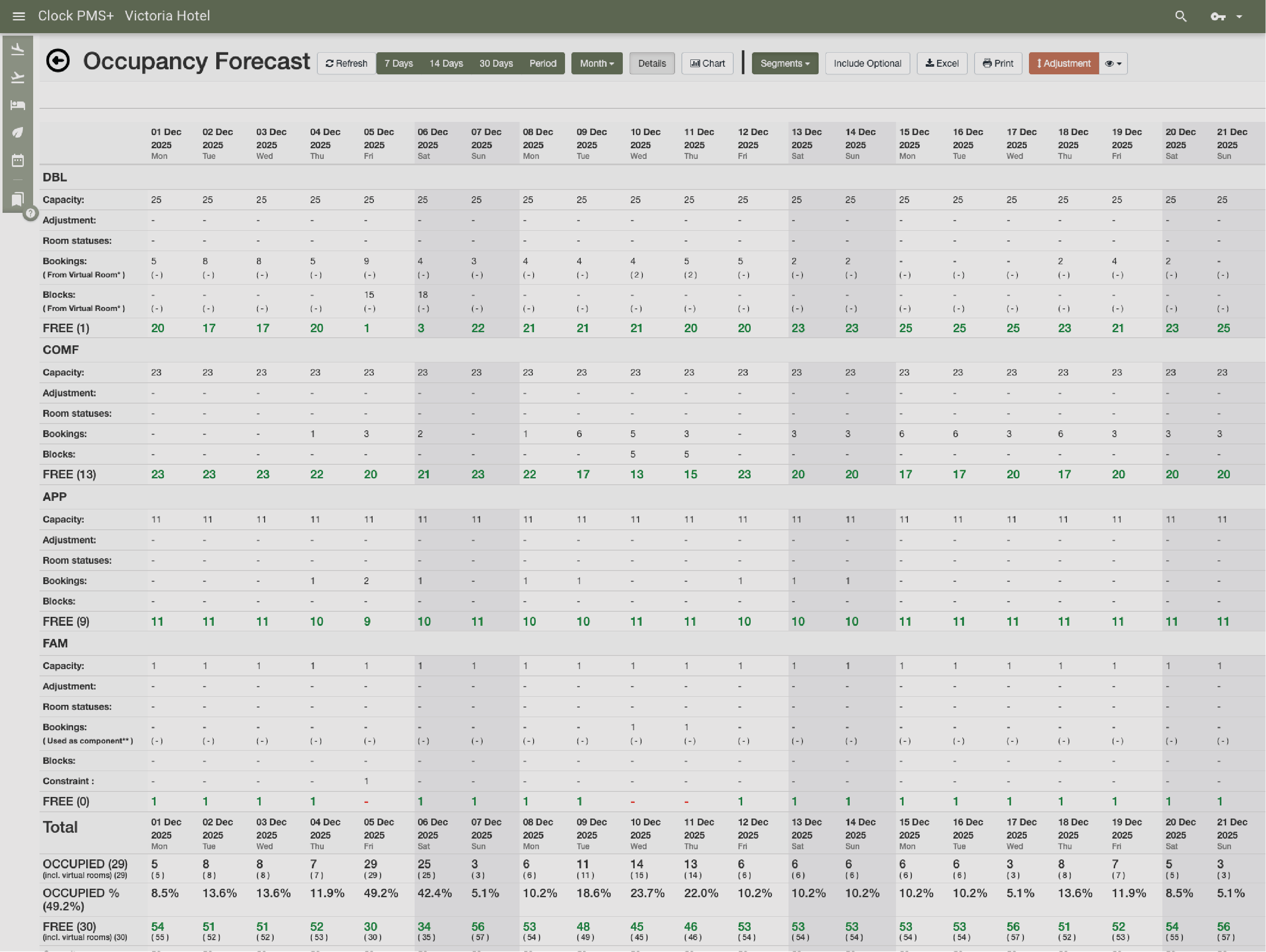
Clock helps large hotels manage a high room count, many room types, and overlapping demand from individual guests, groups, and events. Availability, rates, and restrictions are kept in sync across reservations, sales, Booking.com and connected channels and front desk, so teams work from the same live picture even during peak periods.
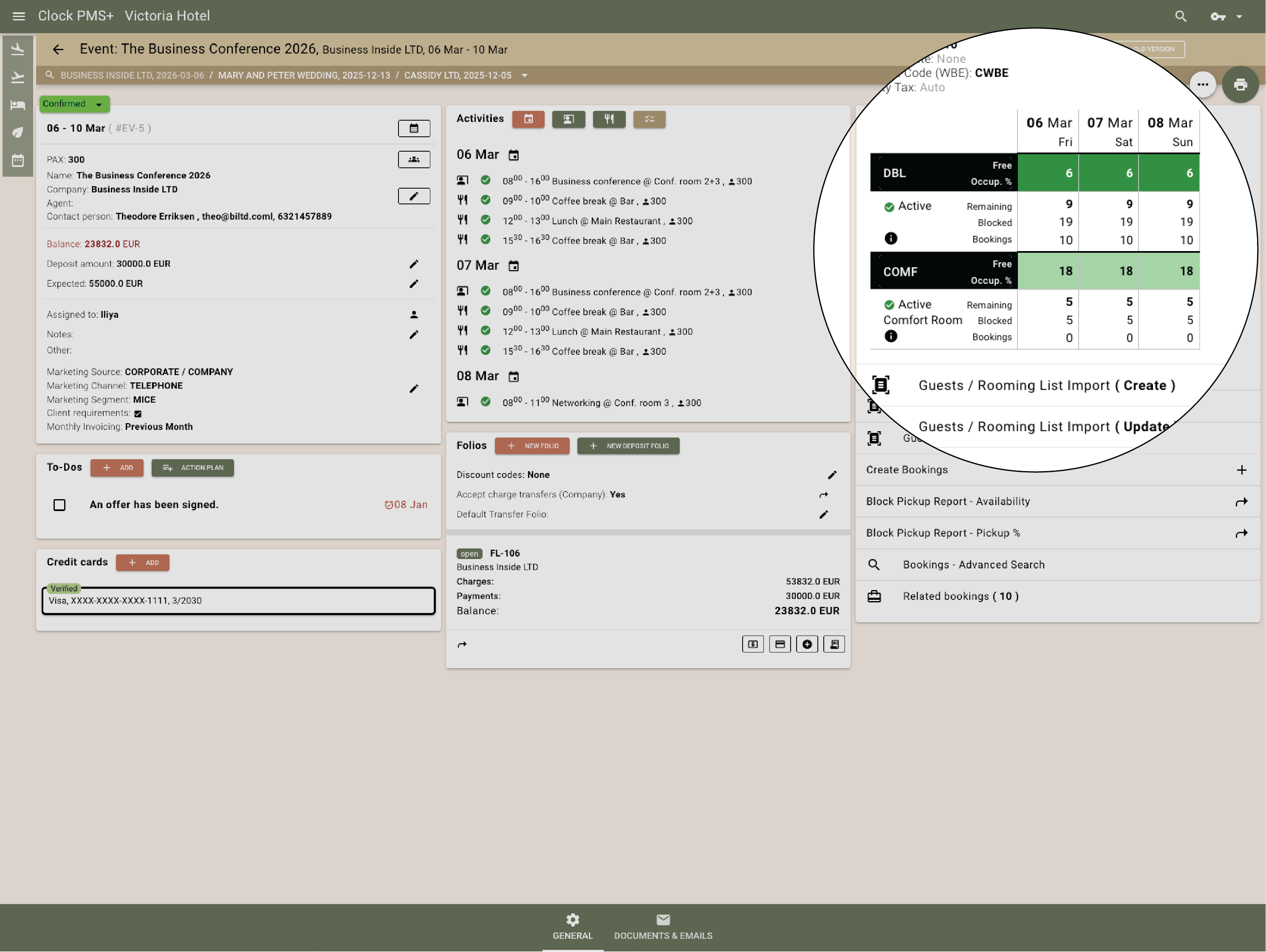
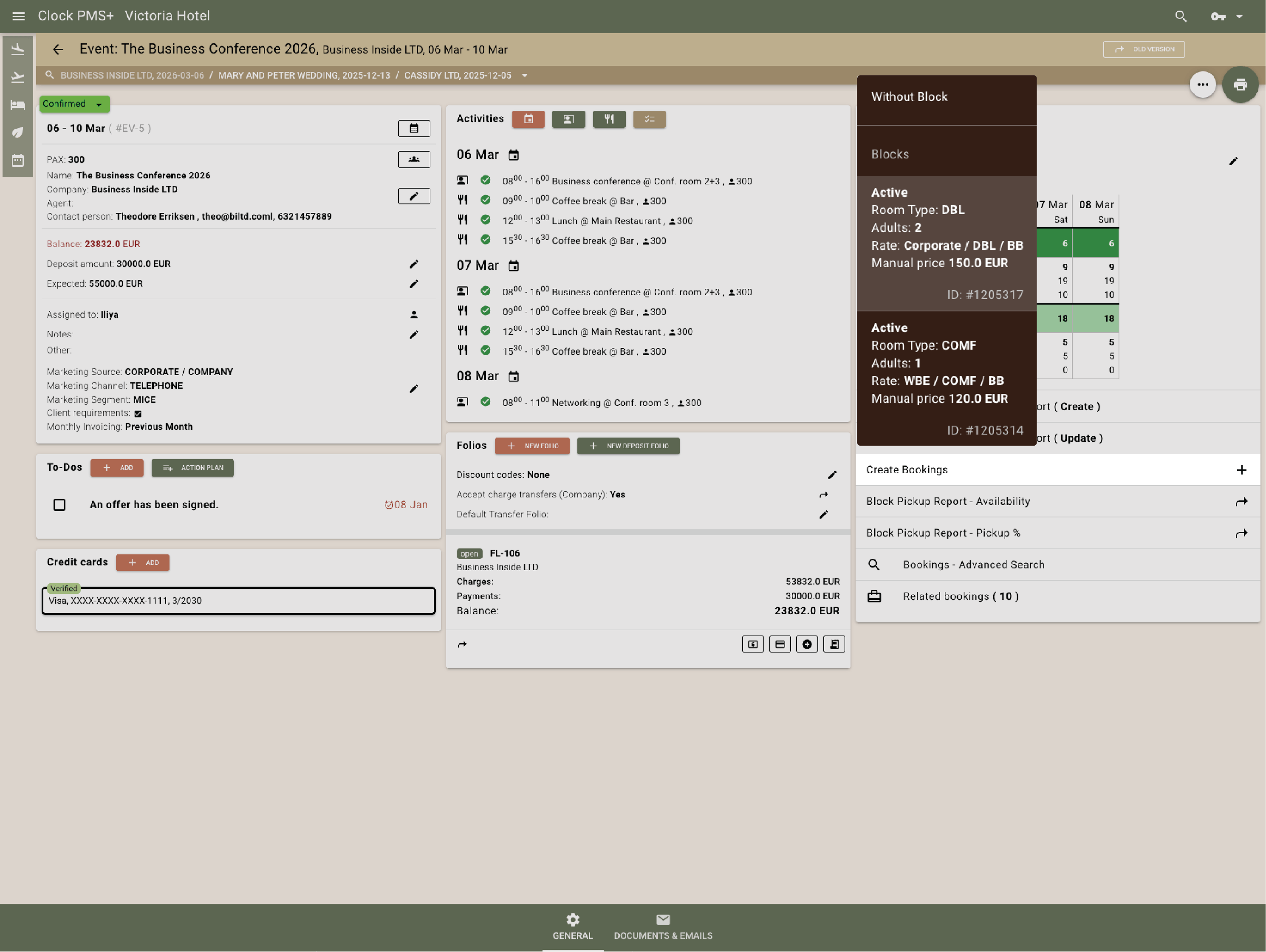
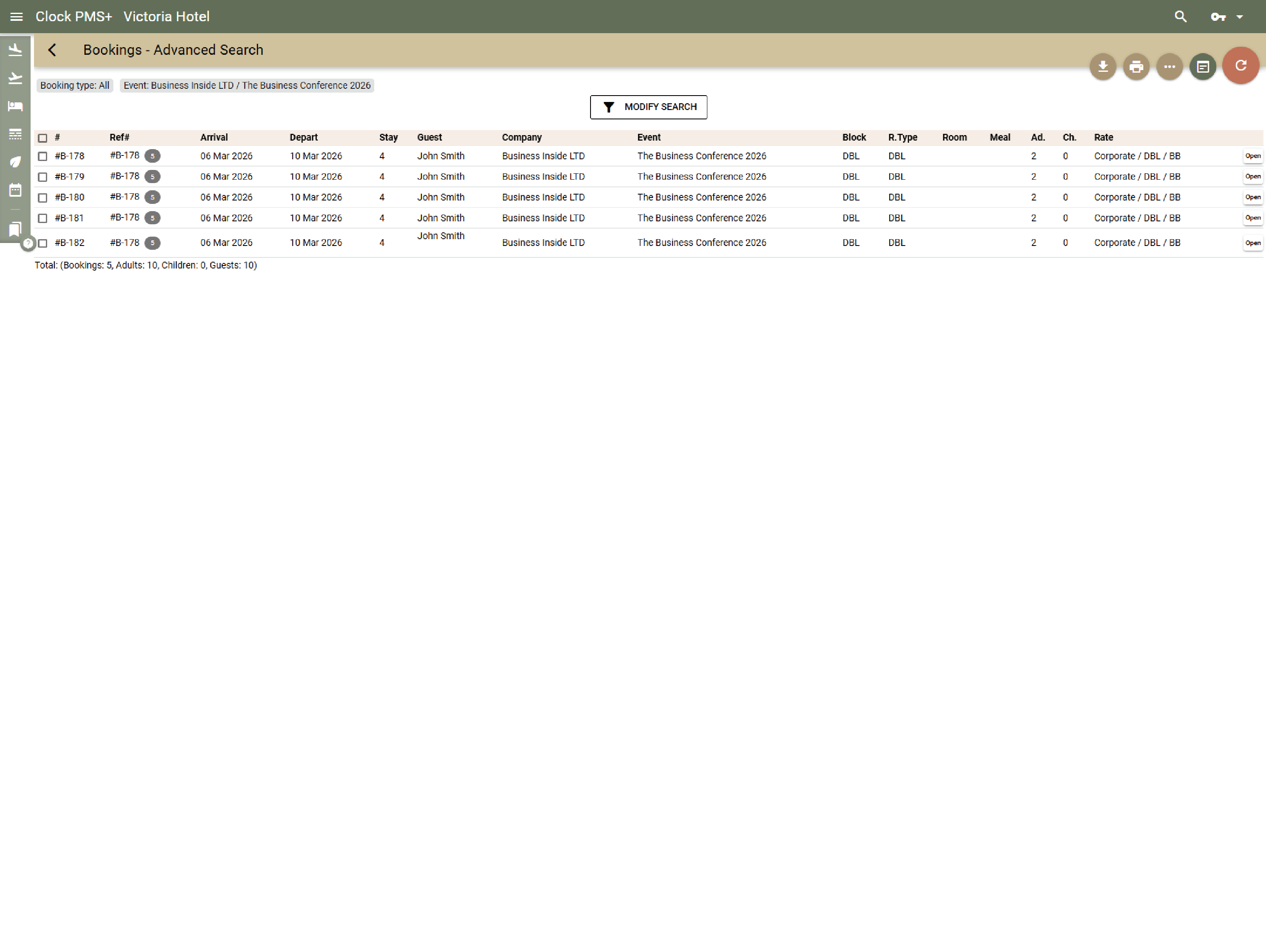
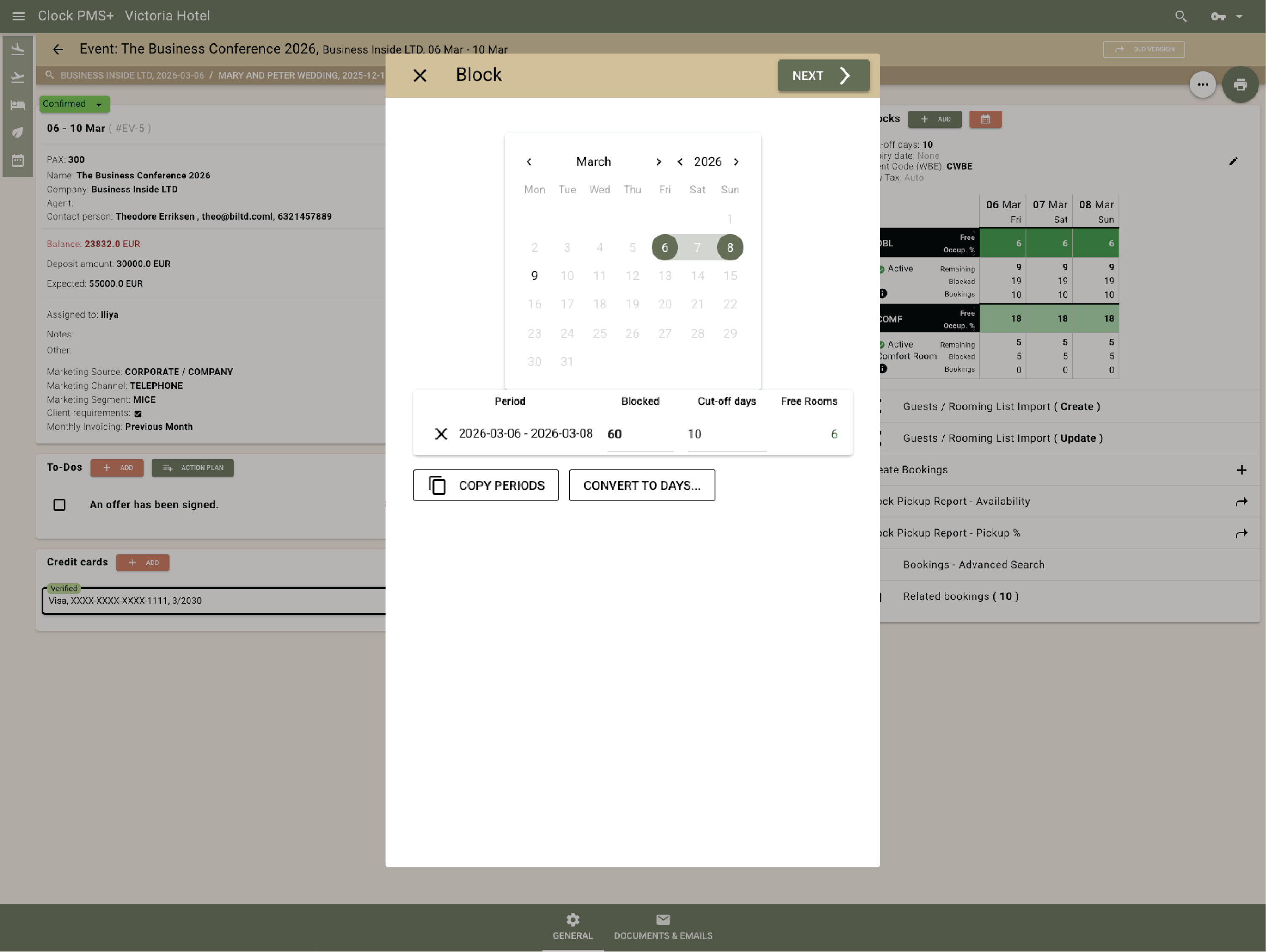
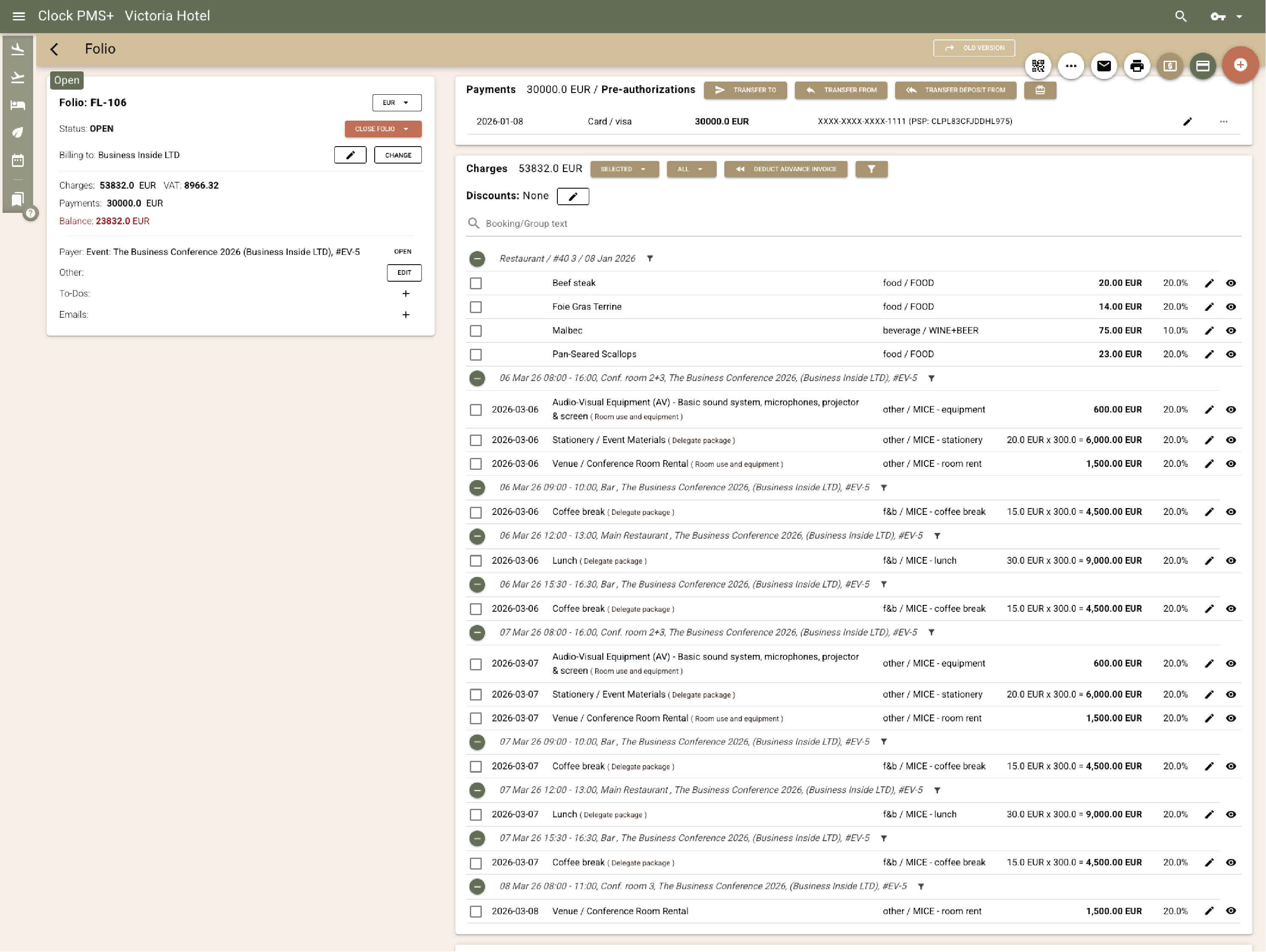
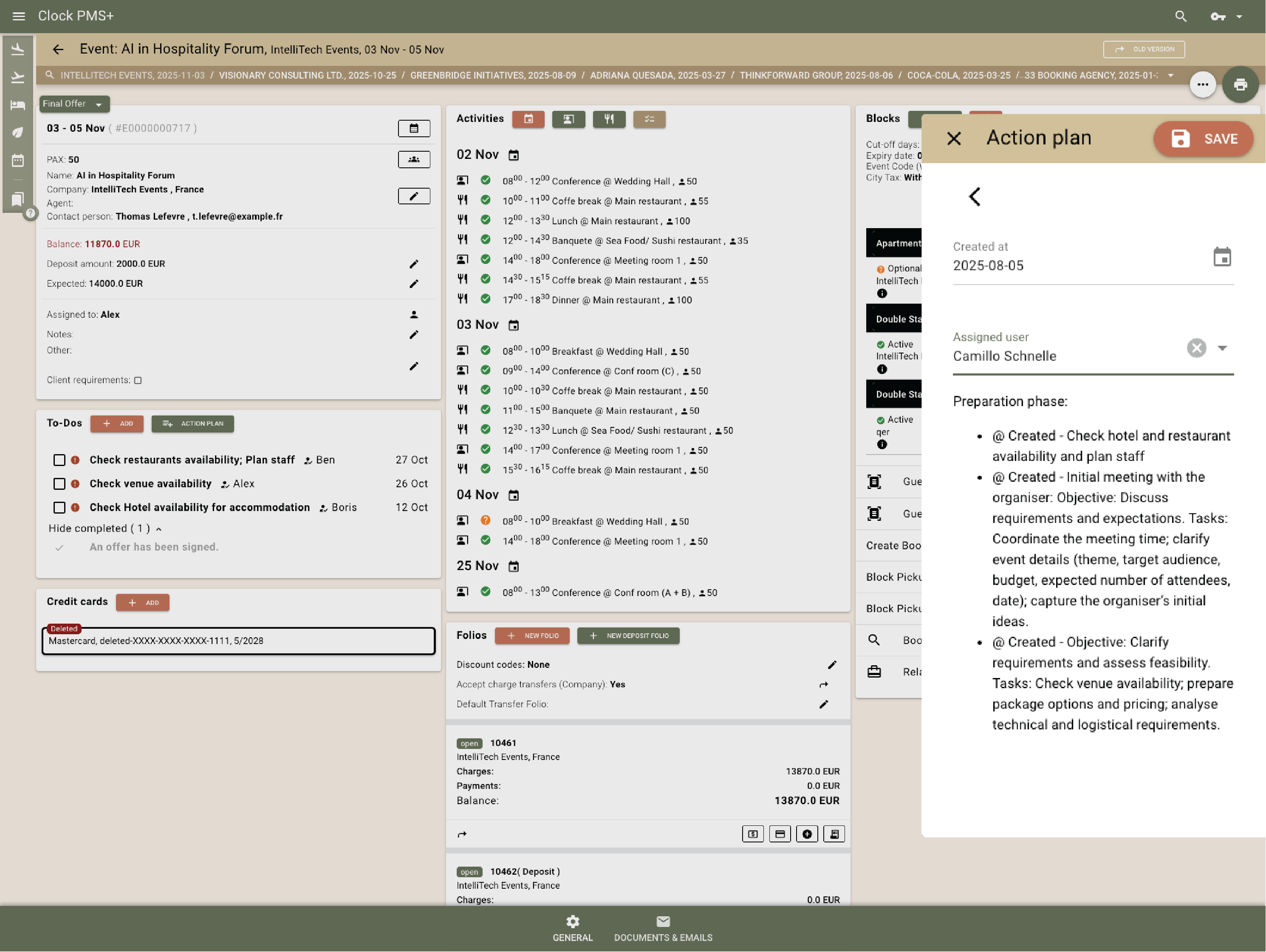
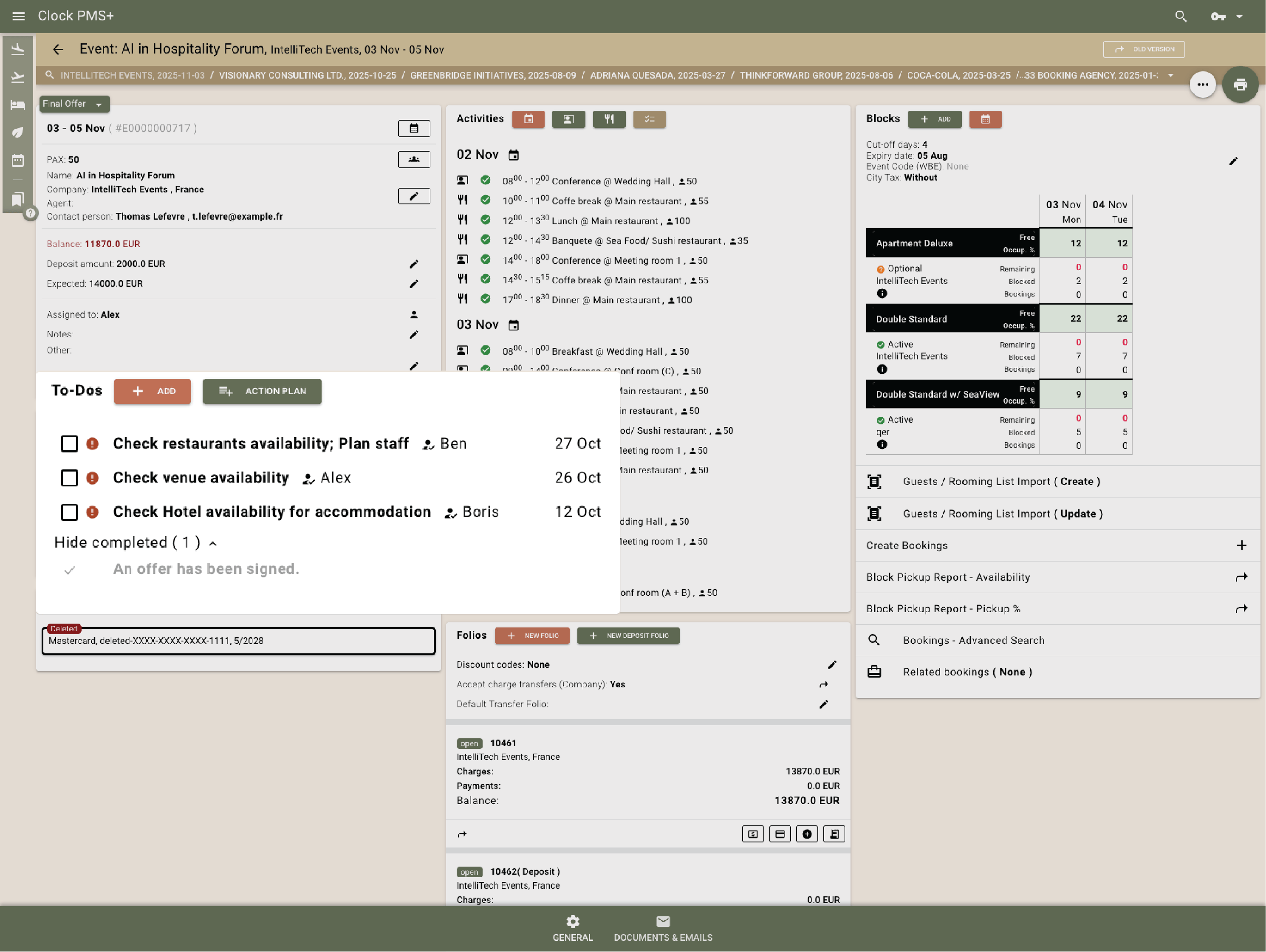
Groups and events are managed within the same operational flow as rooms and daily hotel business. Group room blocks, pickup and release rules, rooming lists, and routing logic stay connected to the reservation layer, while event handling covers key elements such as function spaces, event schedules, services, and resources — all planned in context of the hotel’s overall availability and operations.
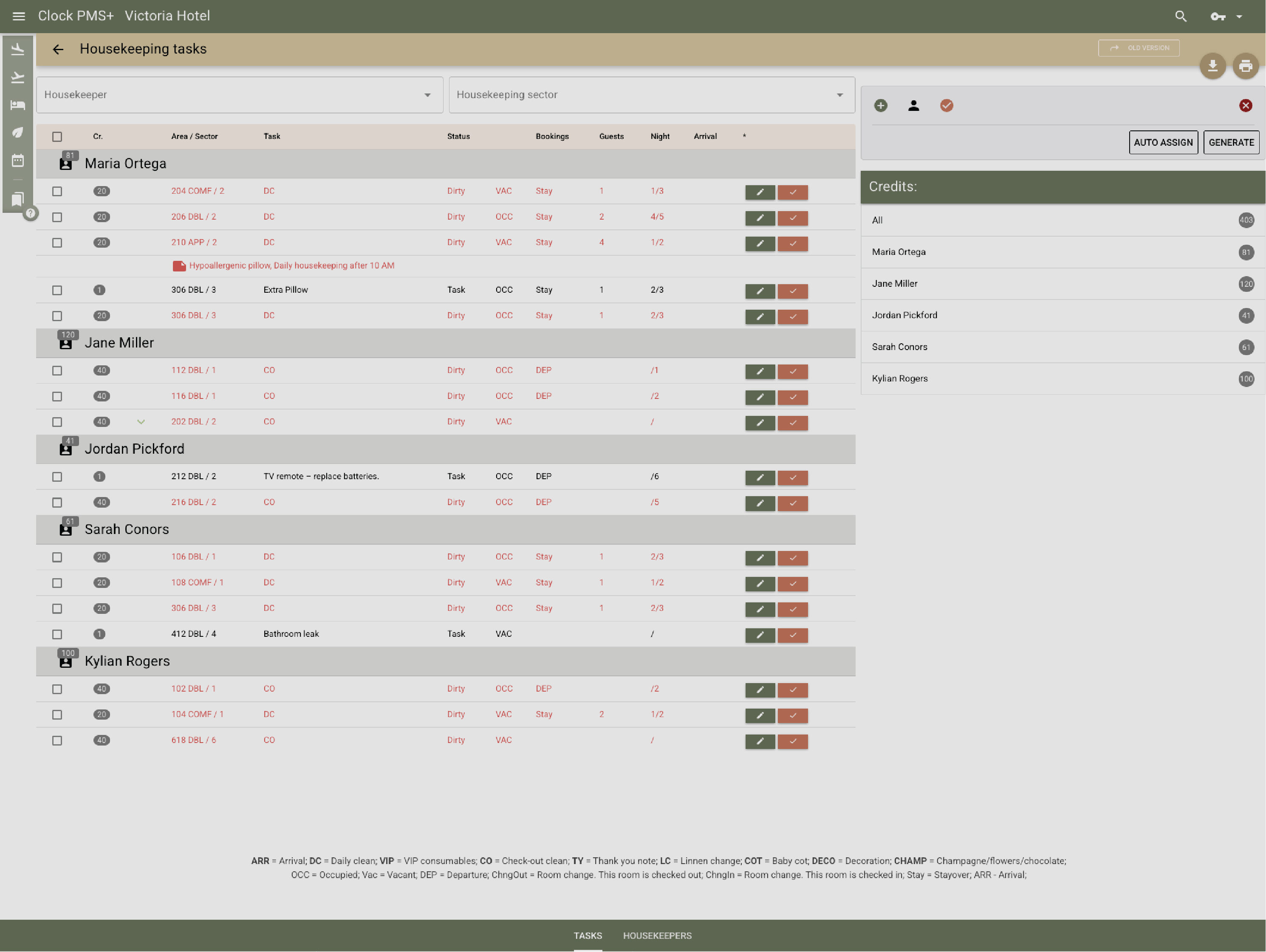
Clock provides a shared task framework for front office, housekeeping and maintenance, sales and events. Tasks can be created, assigned, and tracked with clear ownership and status, helping departments stay aligned during high occupancy or large events.
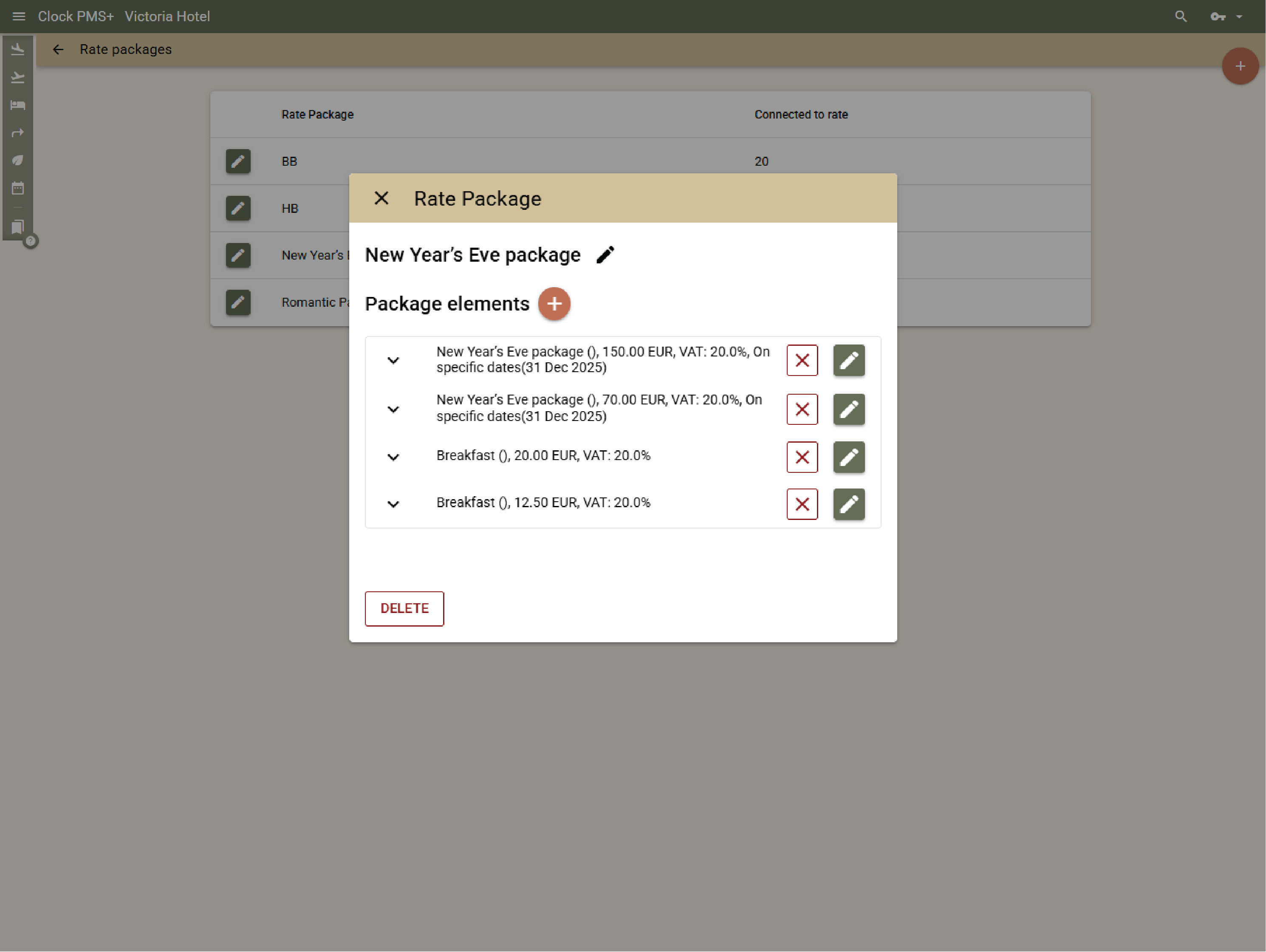
Large hotels often generate significant revenue outside accommodation. Clock supports complex pricing, packages, and services, allowing hotels to manage rooms, extra services, activities and capacity‑based extras in one system.
Rates can be structured by occupancy, age, or derivation, with restrictions applied by date, channel, or booking condition. Packages can combine rooms with meals, services, or events and post correctly per night or per stay.
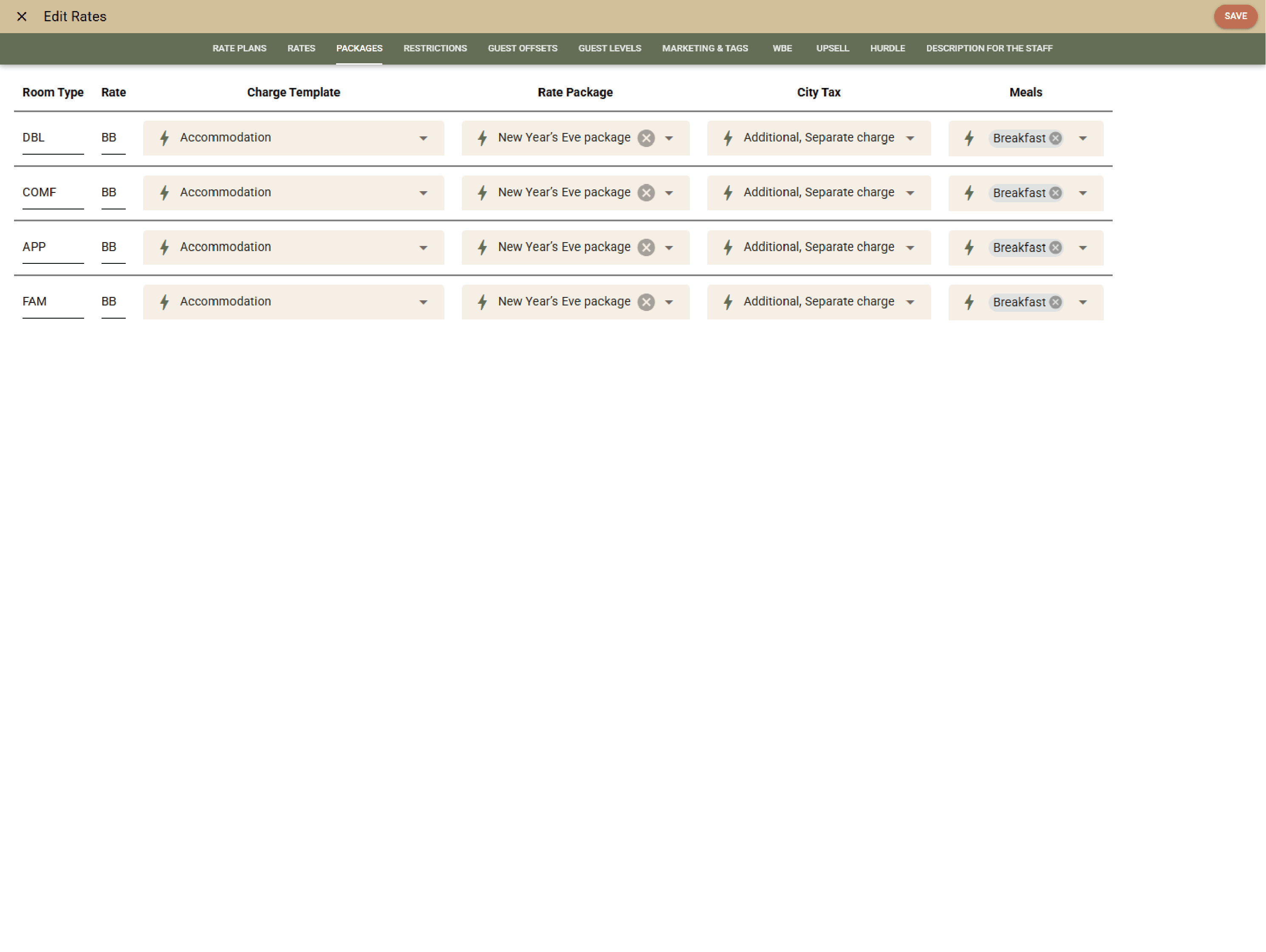
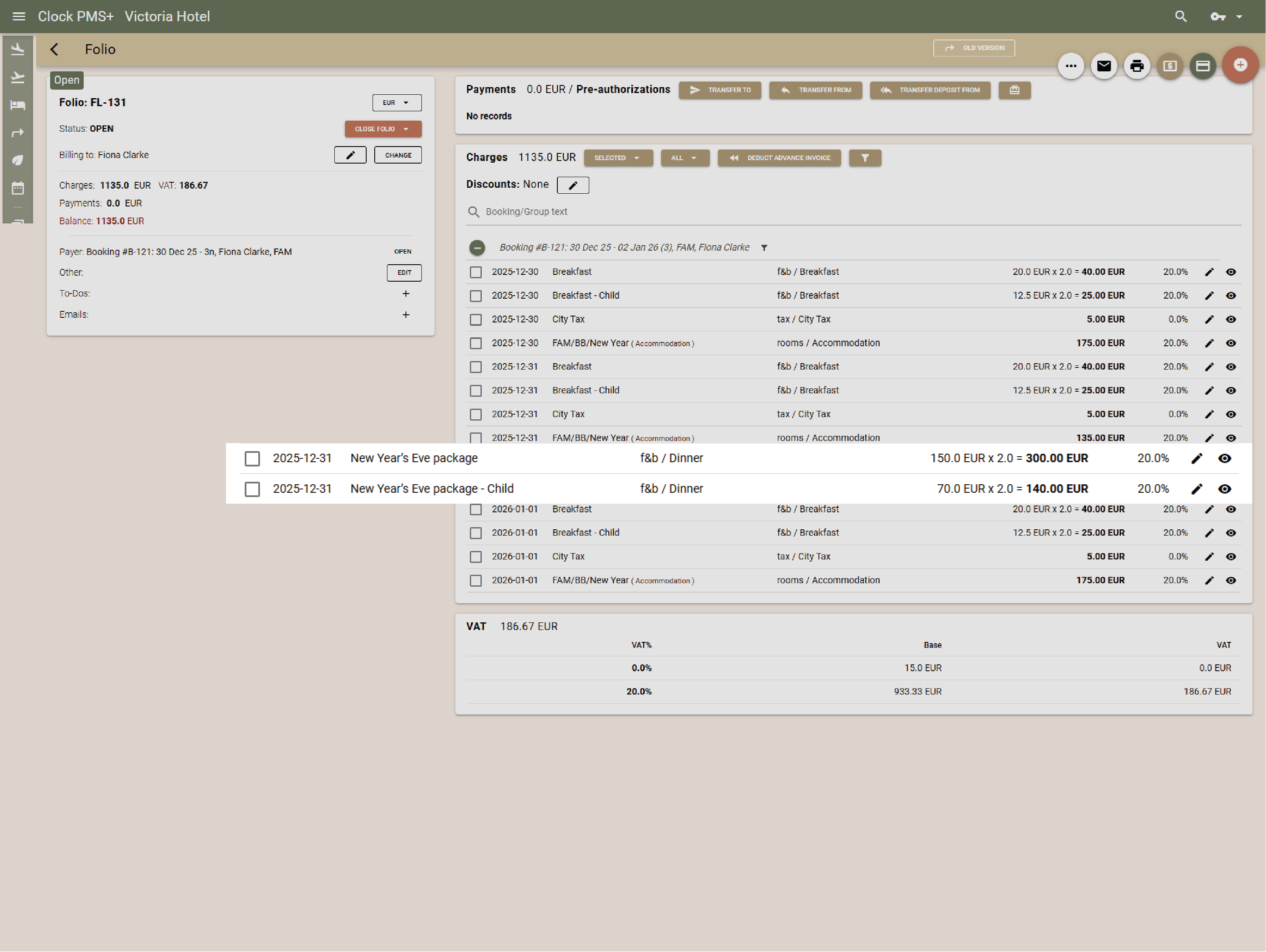
Services such as parking, spa slots, activities, equipment rentals or activities like classes, tours, rentals, and spa times can be sold with live availability. Activities can be booked either together with a room booking or on their own.
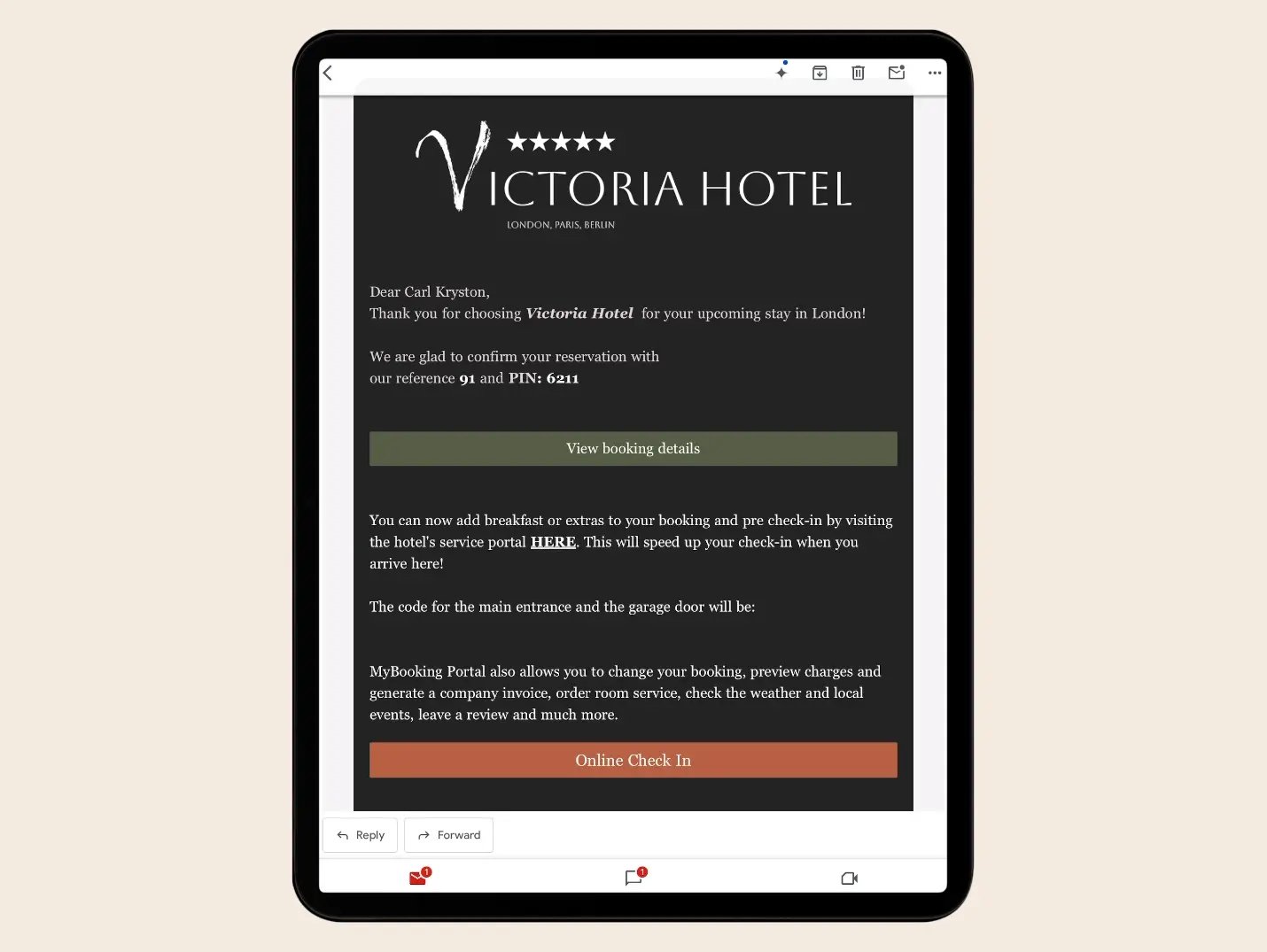
Clock supports large hotels with a guided digital guest journey that improves guest convenience, enables relevant upsells, and reduces pressure on staff during peak periods. Guest messaging, online check-in, the guest portal, and kiosks (where enabled) let guests complete registration, choose room options or extras, and settle payments in advance, so front-desk teams can focus on service and exceptions when volumes are highest.
Guest profiles keep a complete history of stays, billing, and notes. Duplicate profiles can be matched and merged, so repeat guests are recognized even when they book through different channels.
.webp?width=2980&height=2241&name=Build%20a%20single%20catalog%20of%20group-level%20profiles%2c%20merging%20any%20duplicates%20(1).webp)
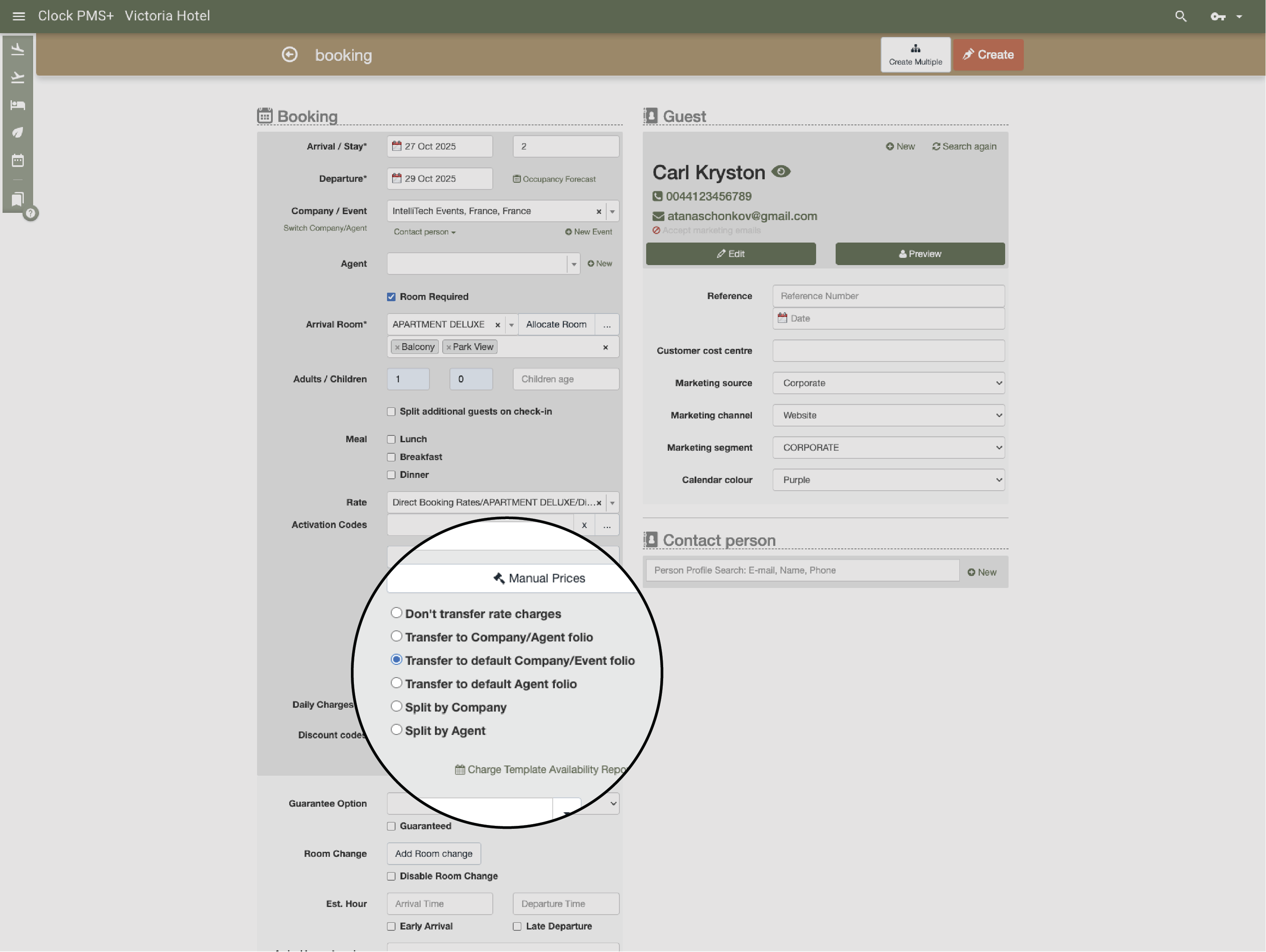
Clock supports common billing setups used in large hotels, including split charges, company and group folios, deposits, advance payments, and post-stay invoicing. Charges can be routed to guest, company, or master folios, invoices can be issued per stay, per period, or per company agreement, and all postings remain traceable with clear audit history and role-based access.
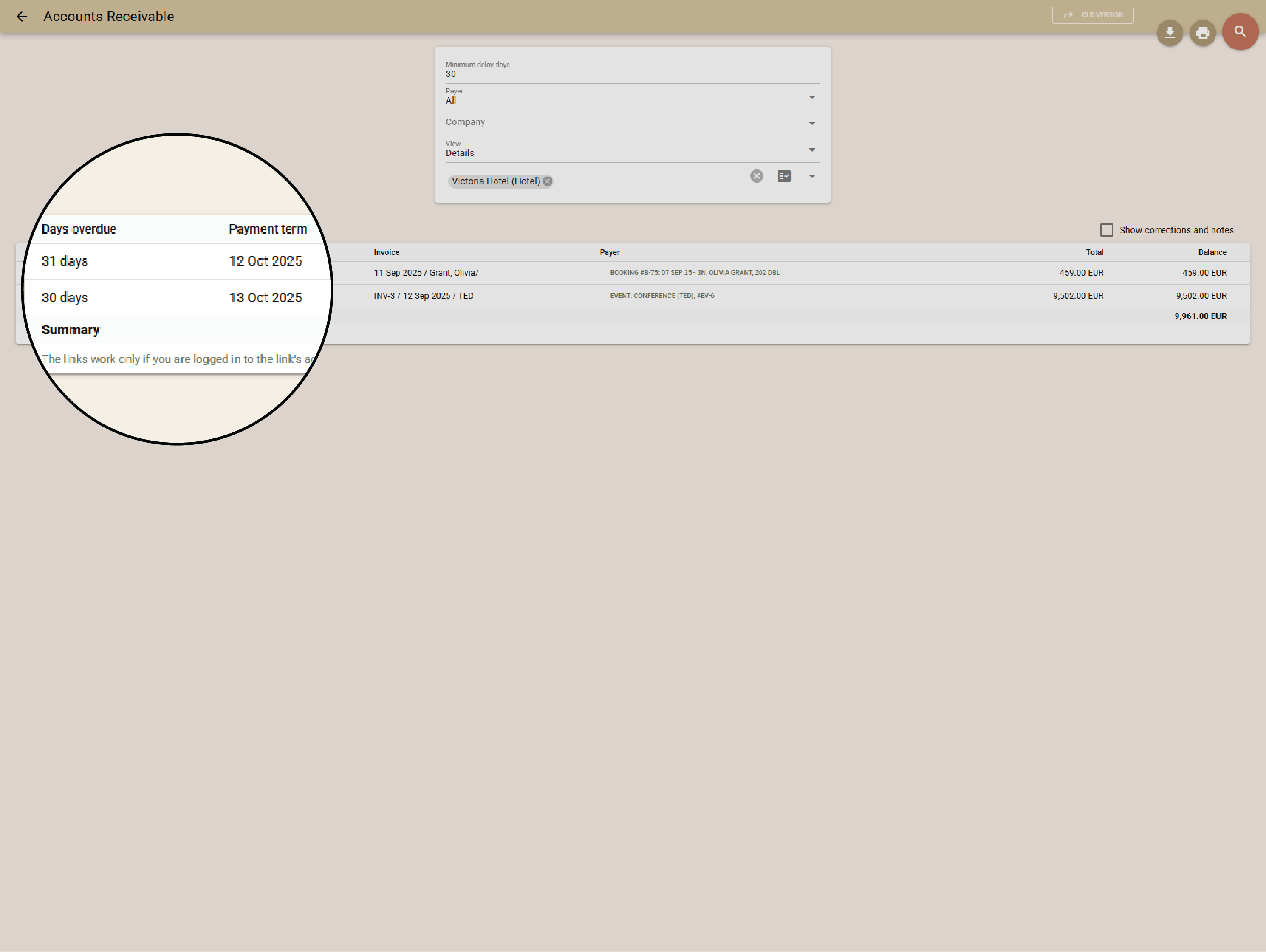
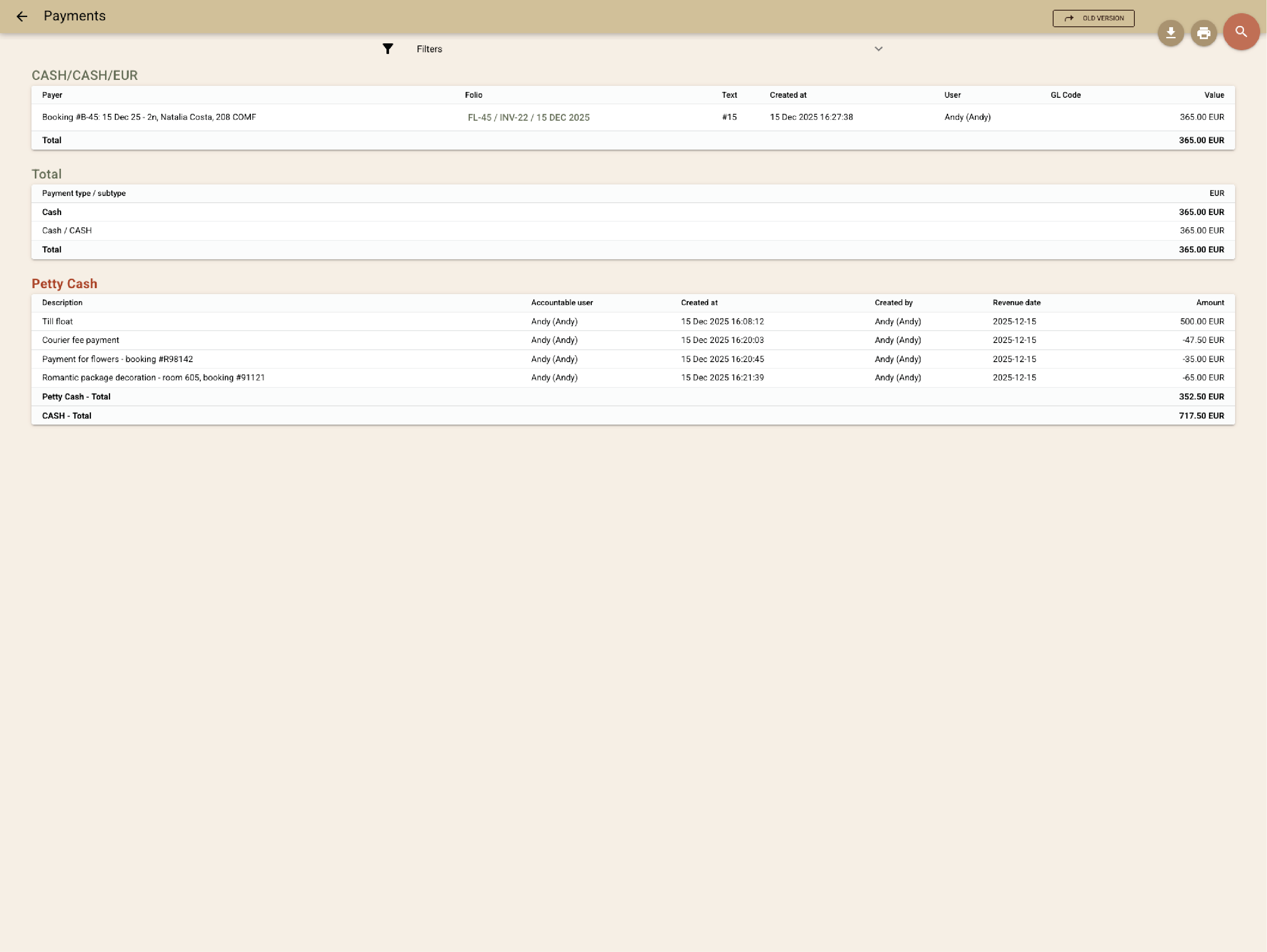
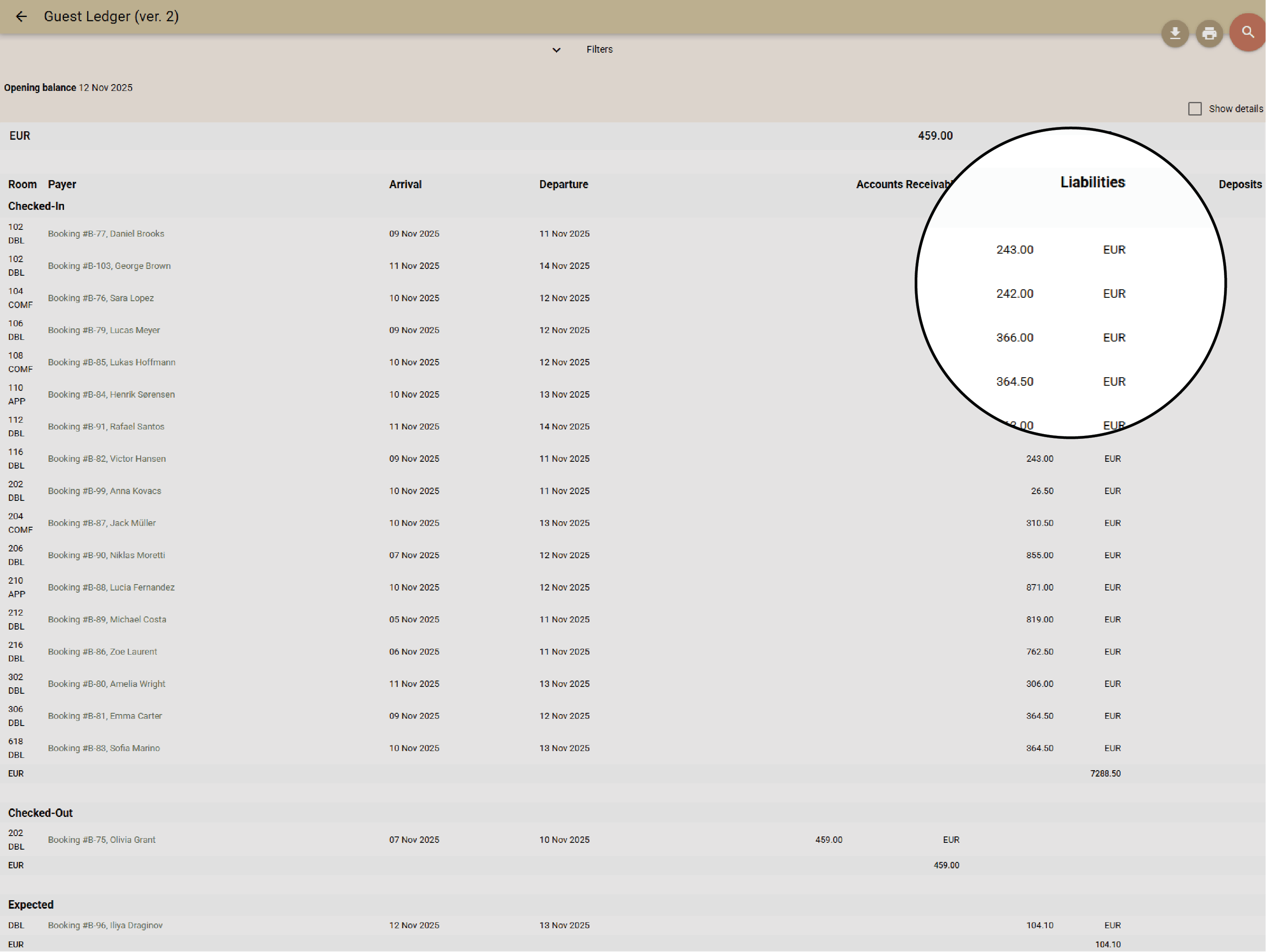
Clock includes standard operational and financial reports covering bookings, occupancy, revenue, charges, invoices, accounts receivable, housekeeping, and KPIs. Reports can be filtered by department, date range, or user role. Where management needs a specific view, custom reports and dashboards can be built to match the hotel’s structure and can combine PMS data with external sources such as cost or accounting data.
Different countries. Different teams. Different ways of working. One place to keep the day from getting away from them.


