
Technologies are advancing, and it's normal to move our data to the cloud. I was firmly convinced that this is the right path, and I think we made the right decision.
Clock is used by hotels and resorts where tour operators are the primary distribution channel. It supports contracted rates, allotments, rooming lists, and tour‑operator billing, while keeping daily hotel operations, online distribution, guest services, and event coordination in the same system.
Technologies are advancing, and it's normal to move our data to the cloud. I was firmly convinced that this is the right path, and I think we made the right decision.
Trusted by independent hotels worldwide










Tour operator contracts are defined with seasonal rate grids, board supplements, age‑based pricing, and promotional rules. Contract terms remain linked to reservations and are applied automatically when bookings are received.
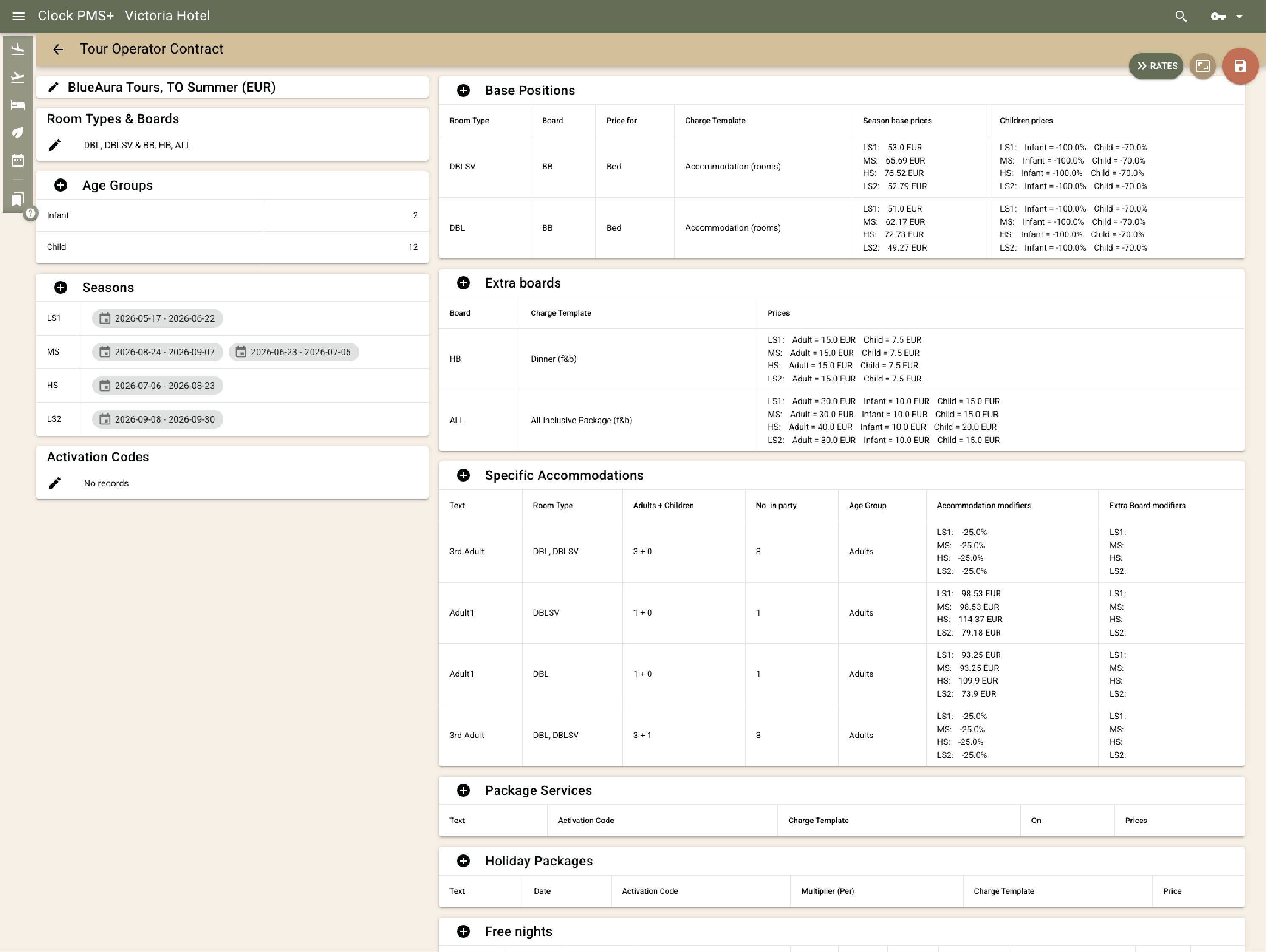
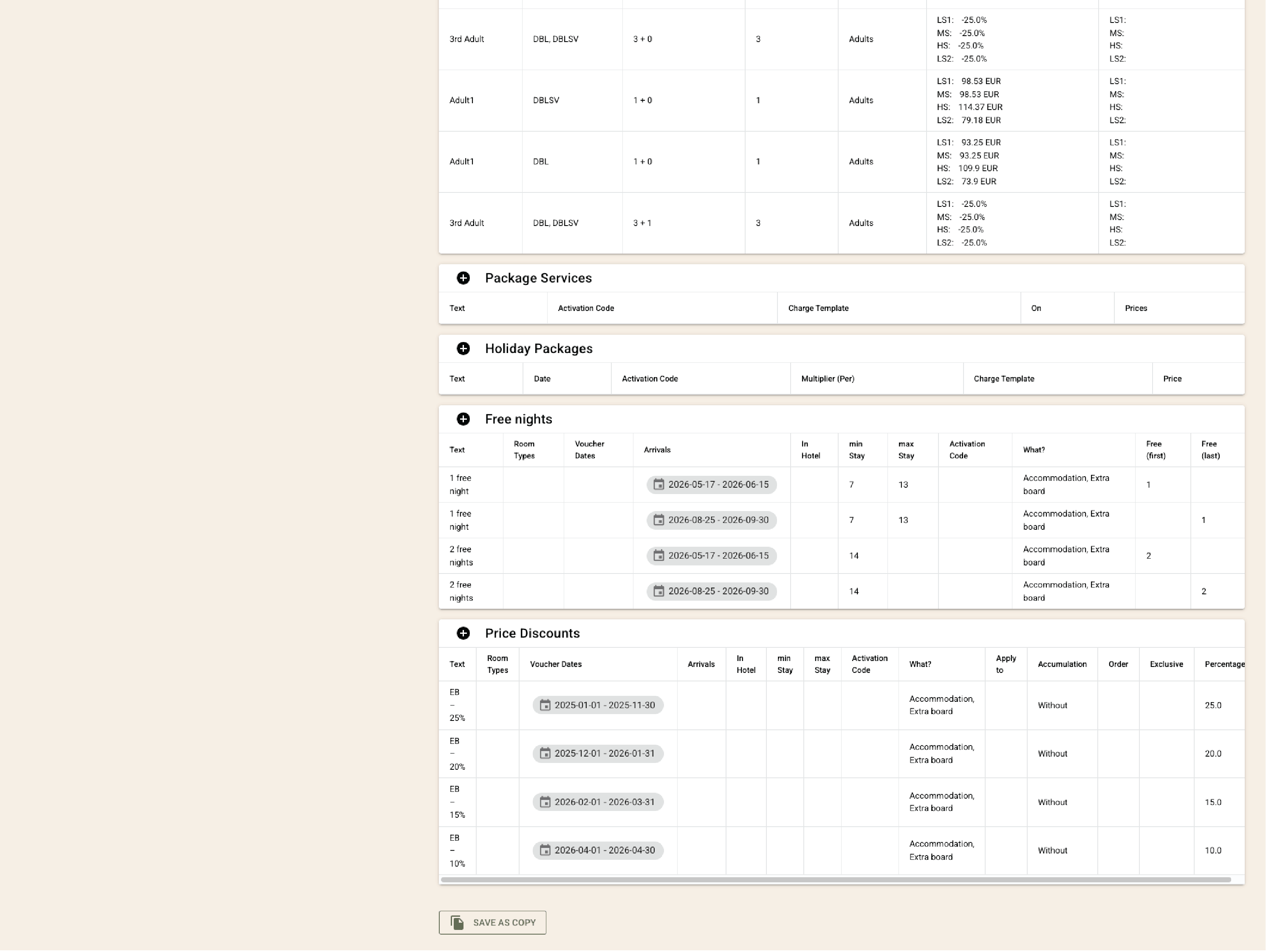
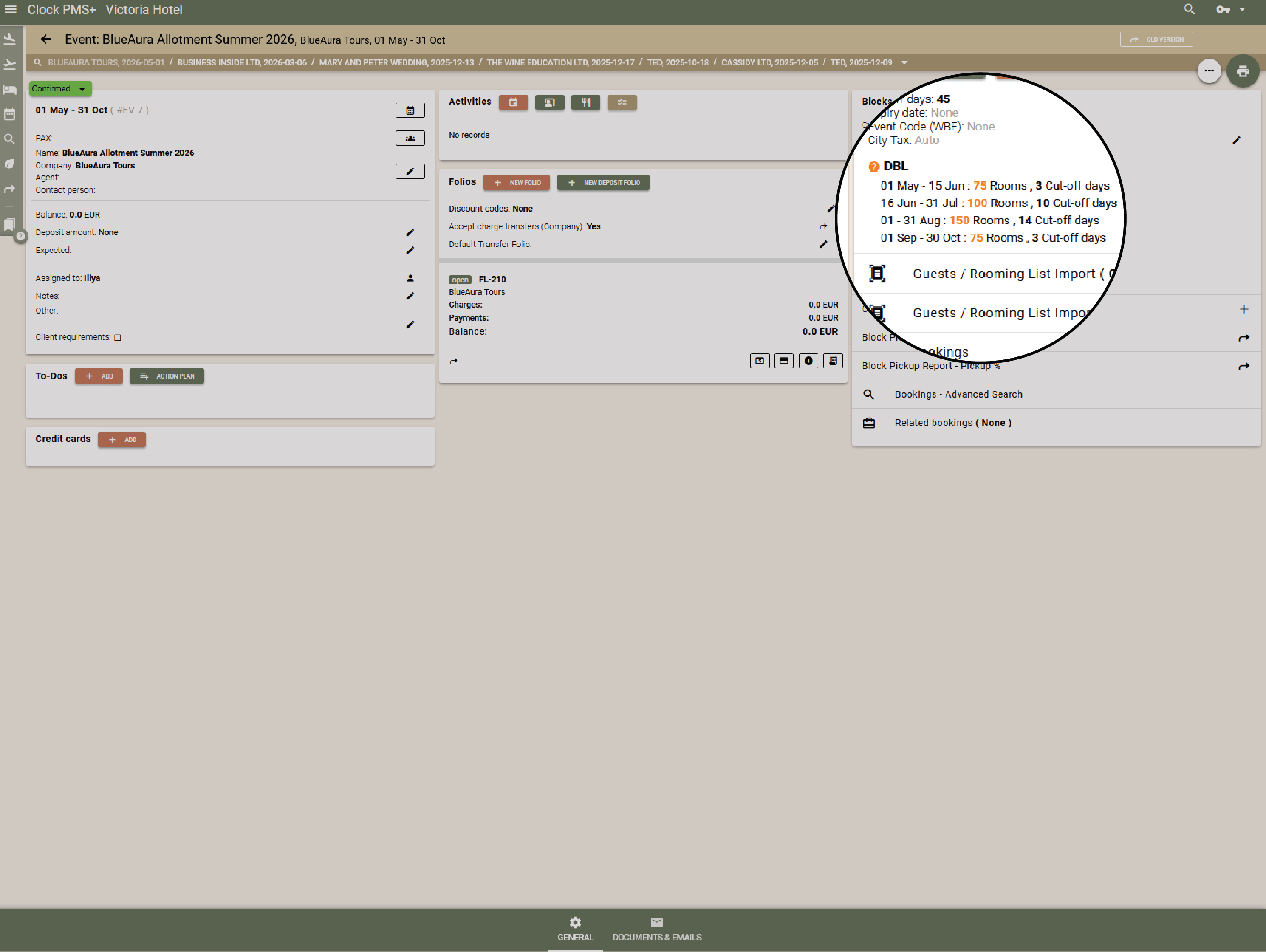
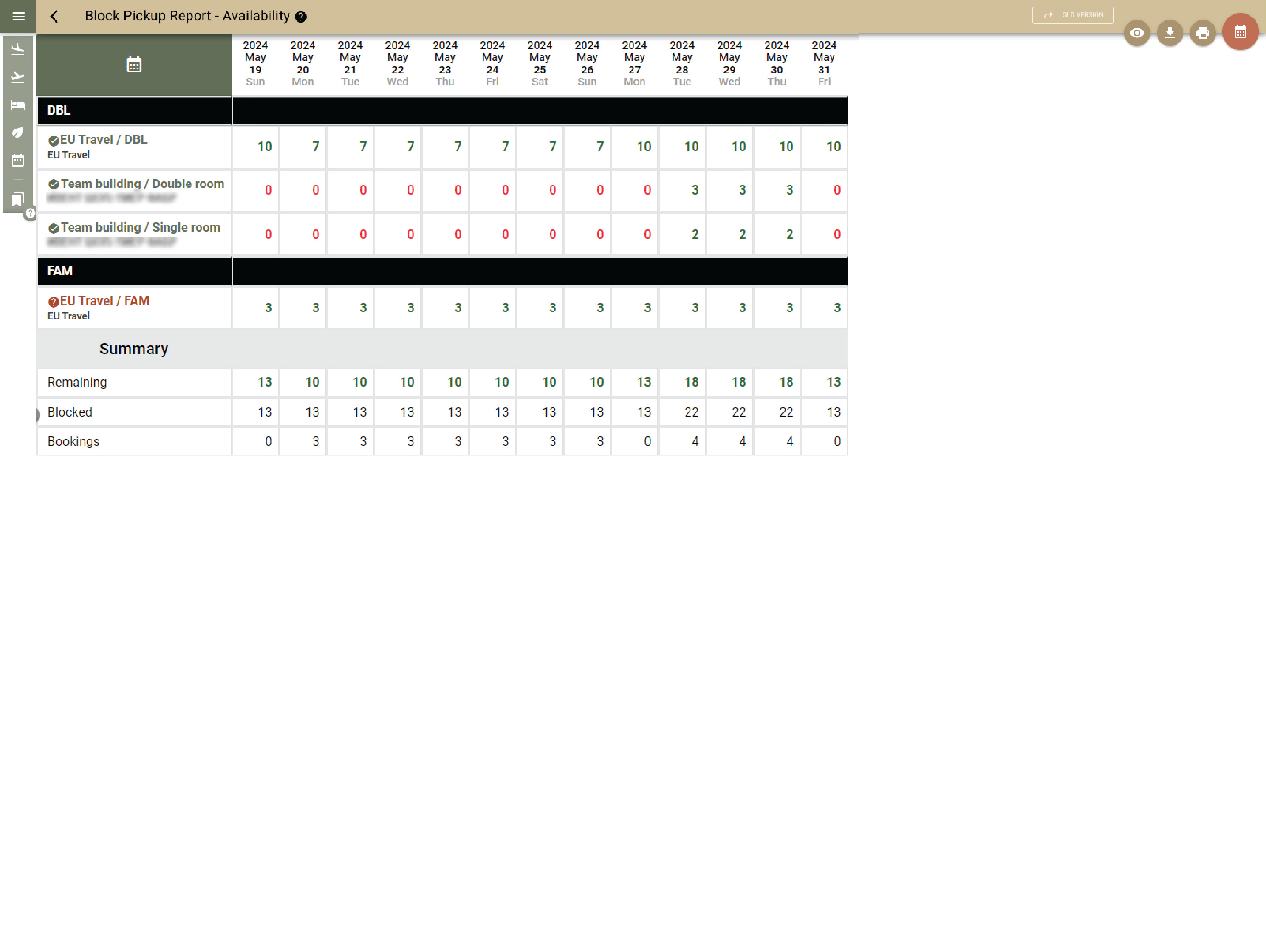
Room allotments can be allocated per tour operator with defined release dates and pickup tracking. As release dates are reached, unused rooms return to free‑sale inventory without manual intervention.
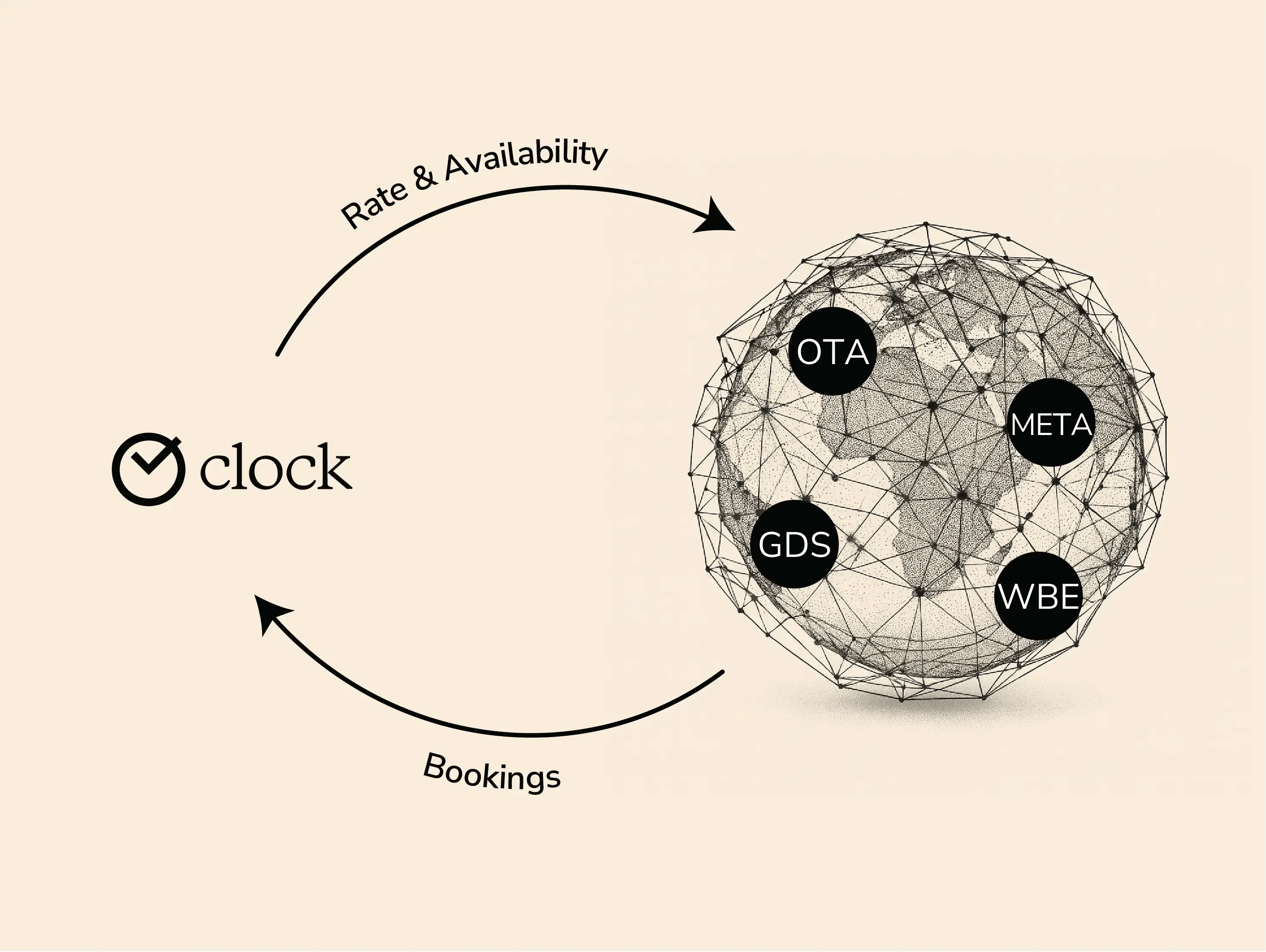
Individual reservations are handled alongside contracted business using the same inventory and availability logic. Rates, restrictions, and availability are managed centrally and synchronized in real time with Booking.com and other connected OTAs.
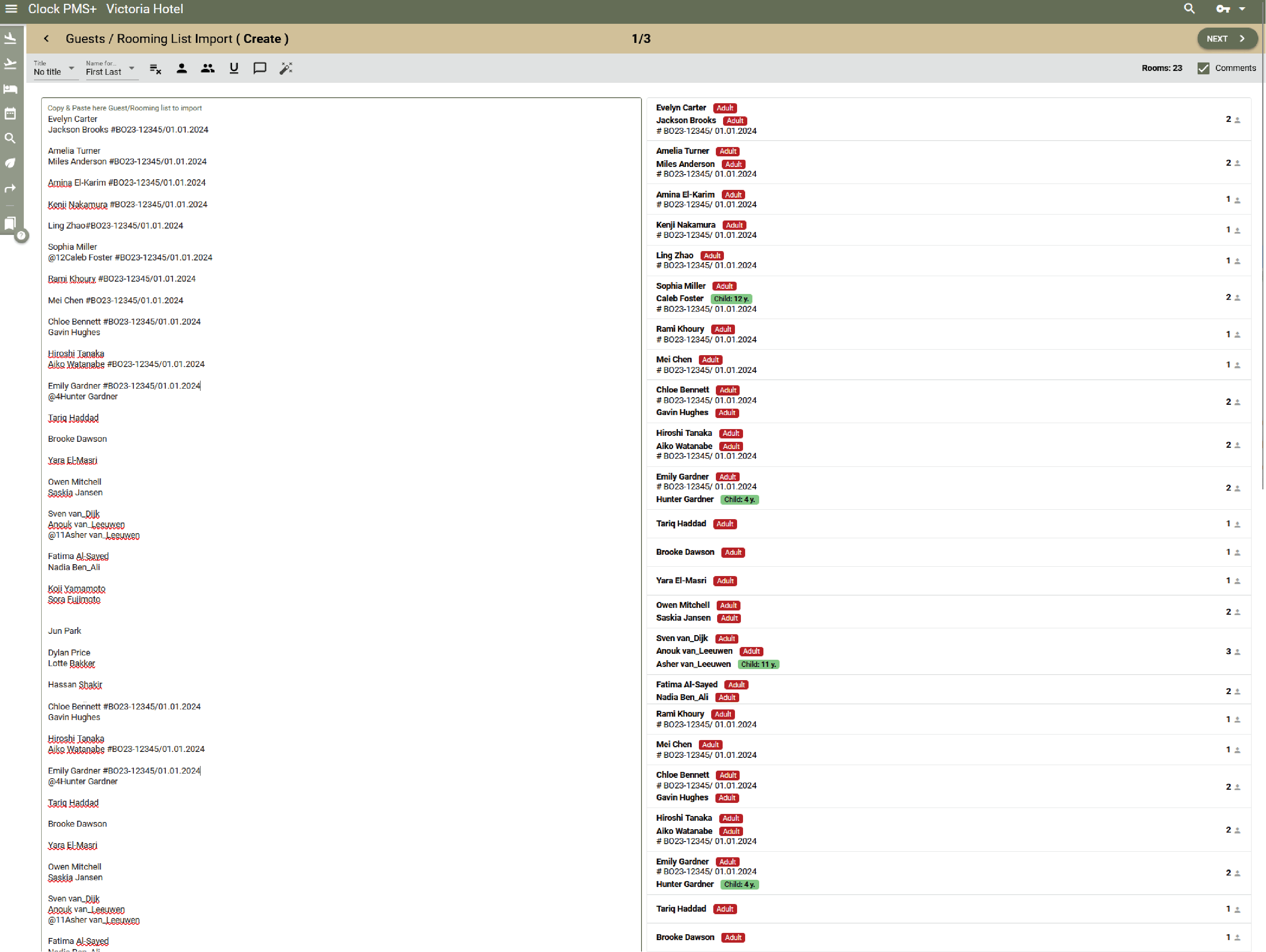
Reservations from tour operators are received with operator references and later enriched with passenger names through rooming list imports. Updates remain linked to the original booking and can be reconciled in bulk.
Group arrivals are handled with bulk room assignment, prepared keys, and voucher‑based check‑in. The workflow supports coach arrivals and high‑volume check‑in periods without changing standard front‑desk operations.
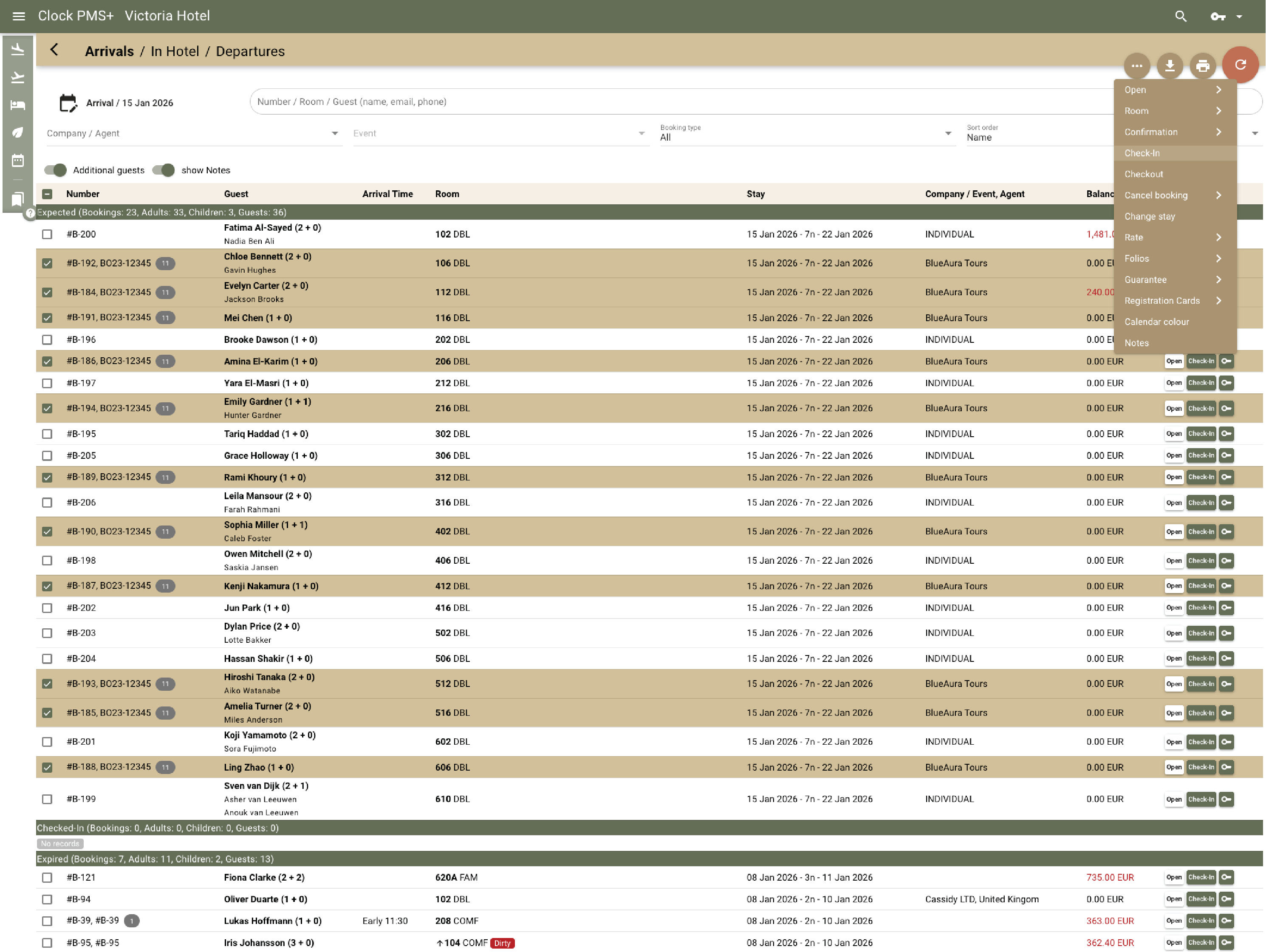
Board plans and packages define included meals, services, or activities. Entitlements remain linked to the stay, while time‑slot‑based services can be scheduled later if required.
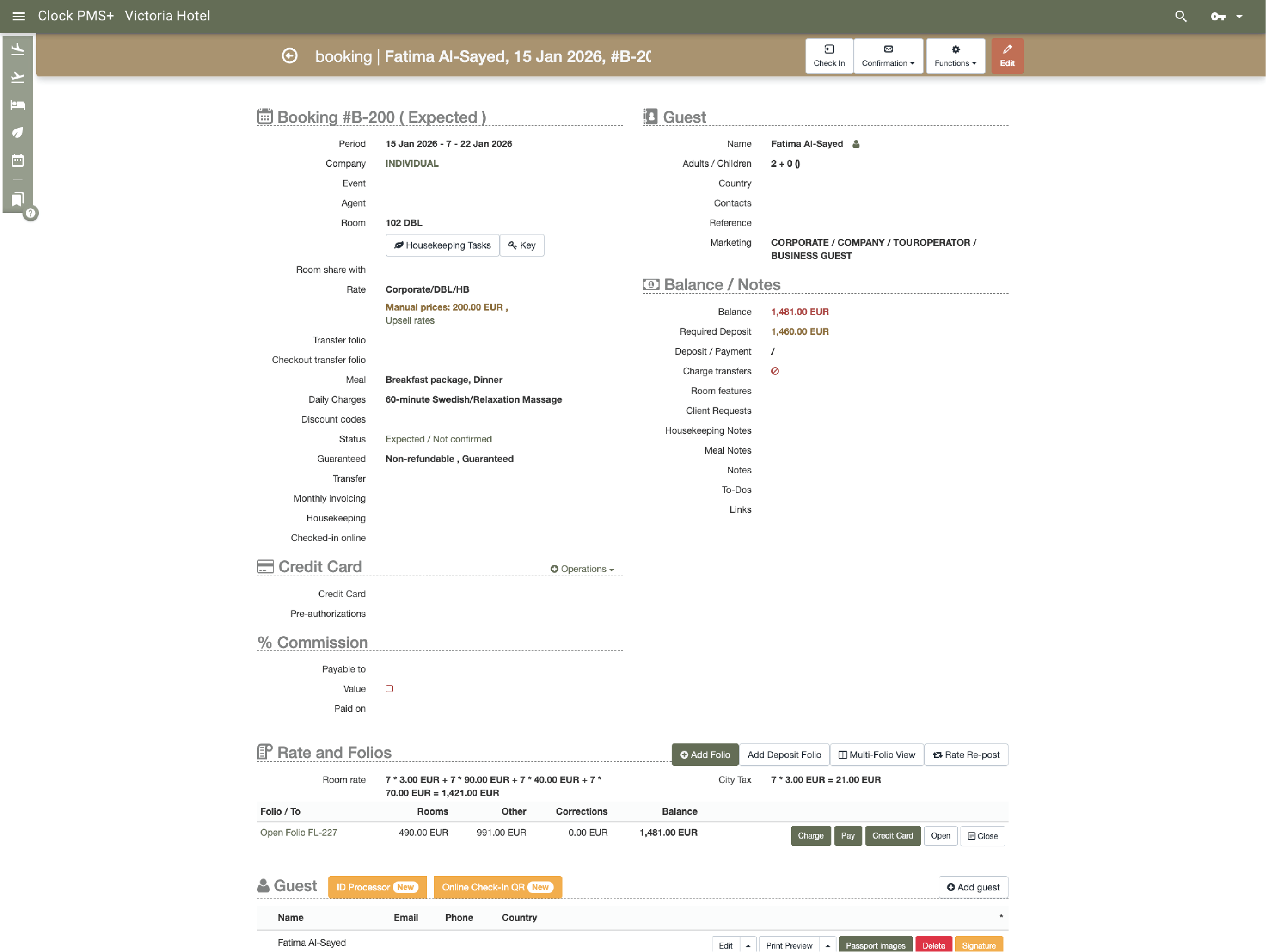
Additional services and activities such as spa treatments, excursions, sports classes, or rentals can be offered with live availability and capacity control. Services can be booked before arrival, during the stay, or included as part of a package.
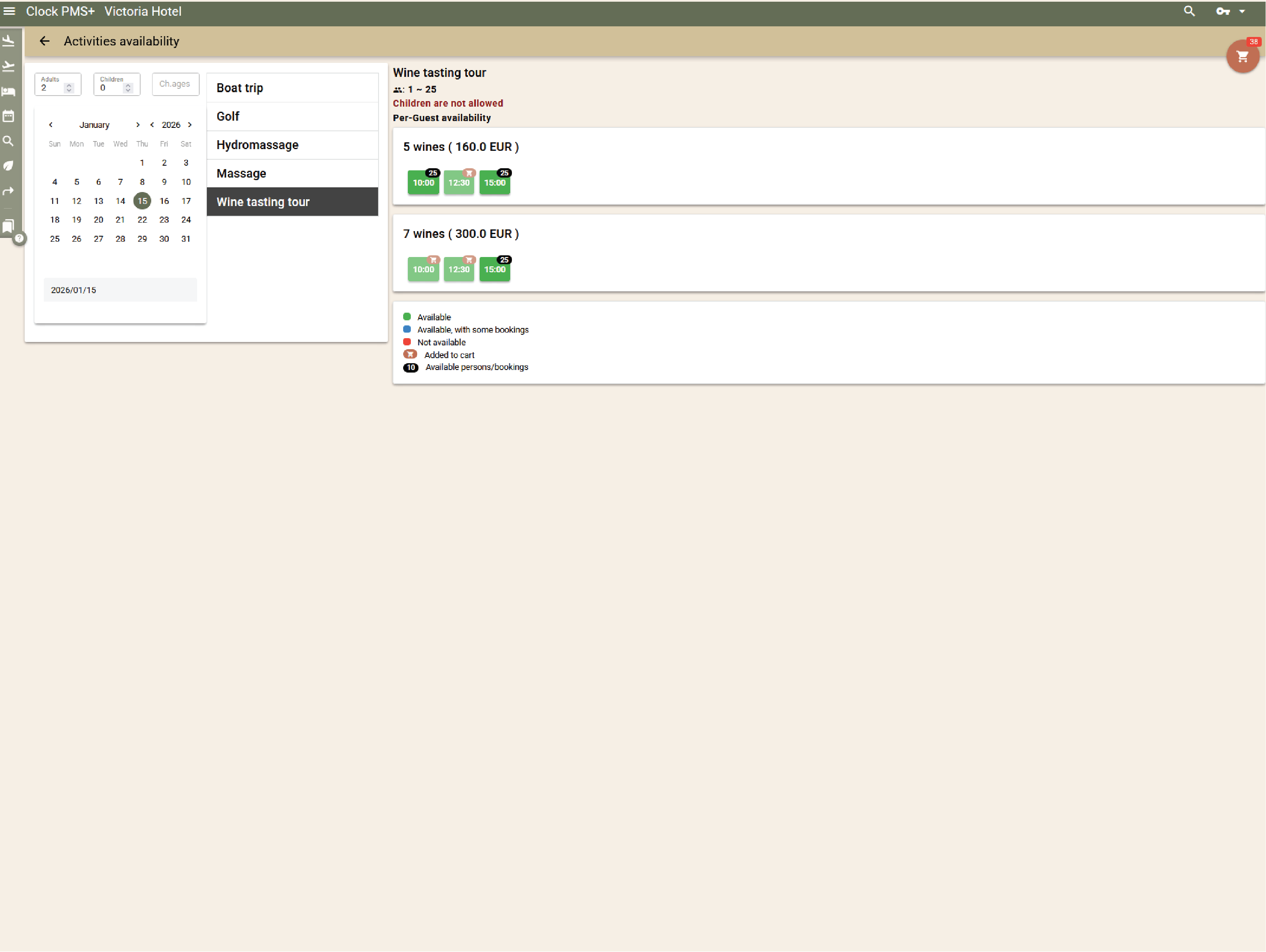
Digital guest tools support communication, service requests, and self‑service actions during high‑volume periods. Guest messaging, the guest portal, and online services remain linked to the reservation.
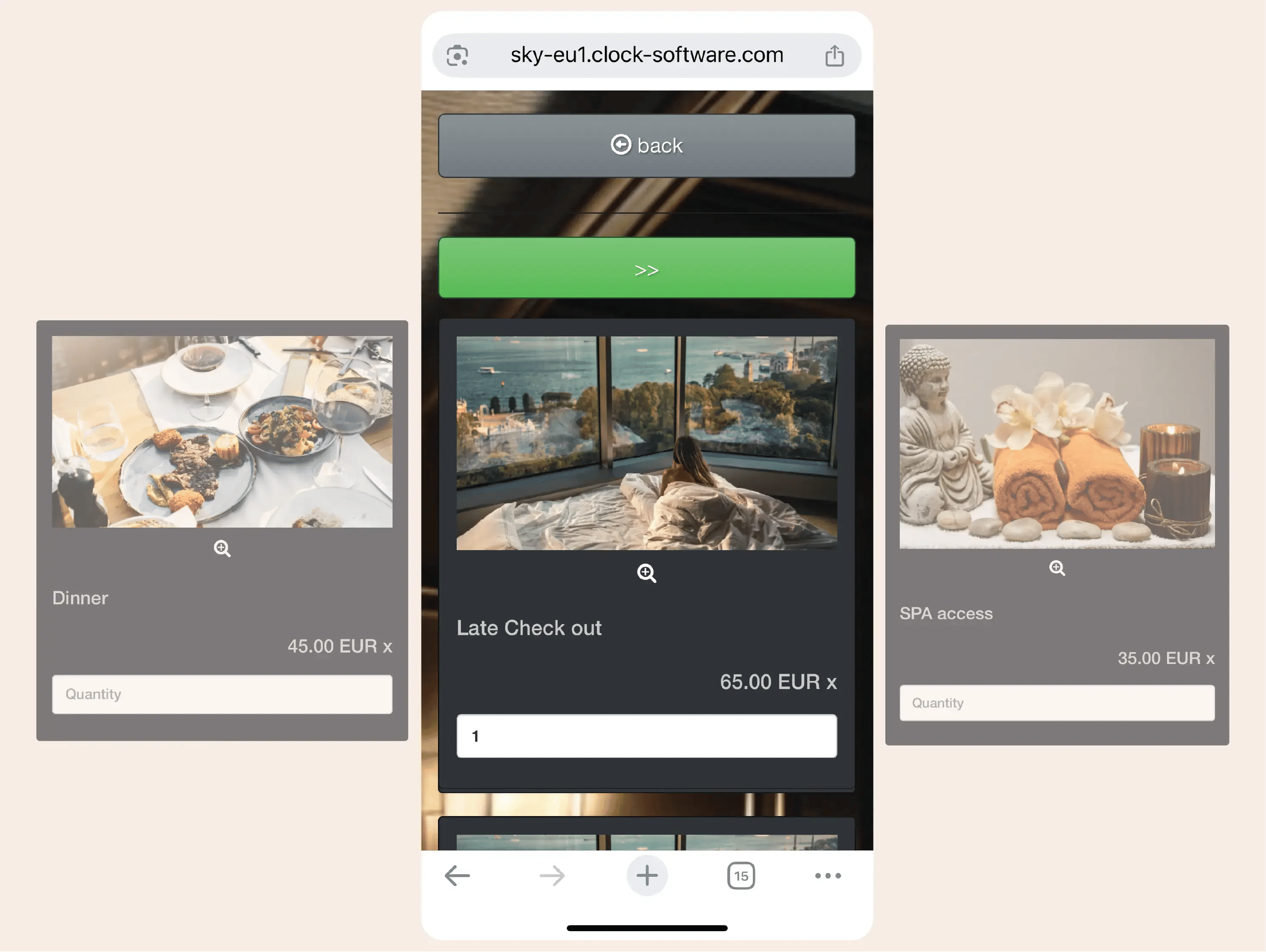
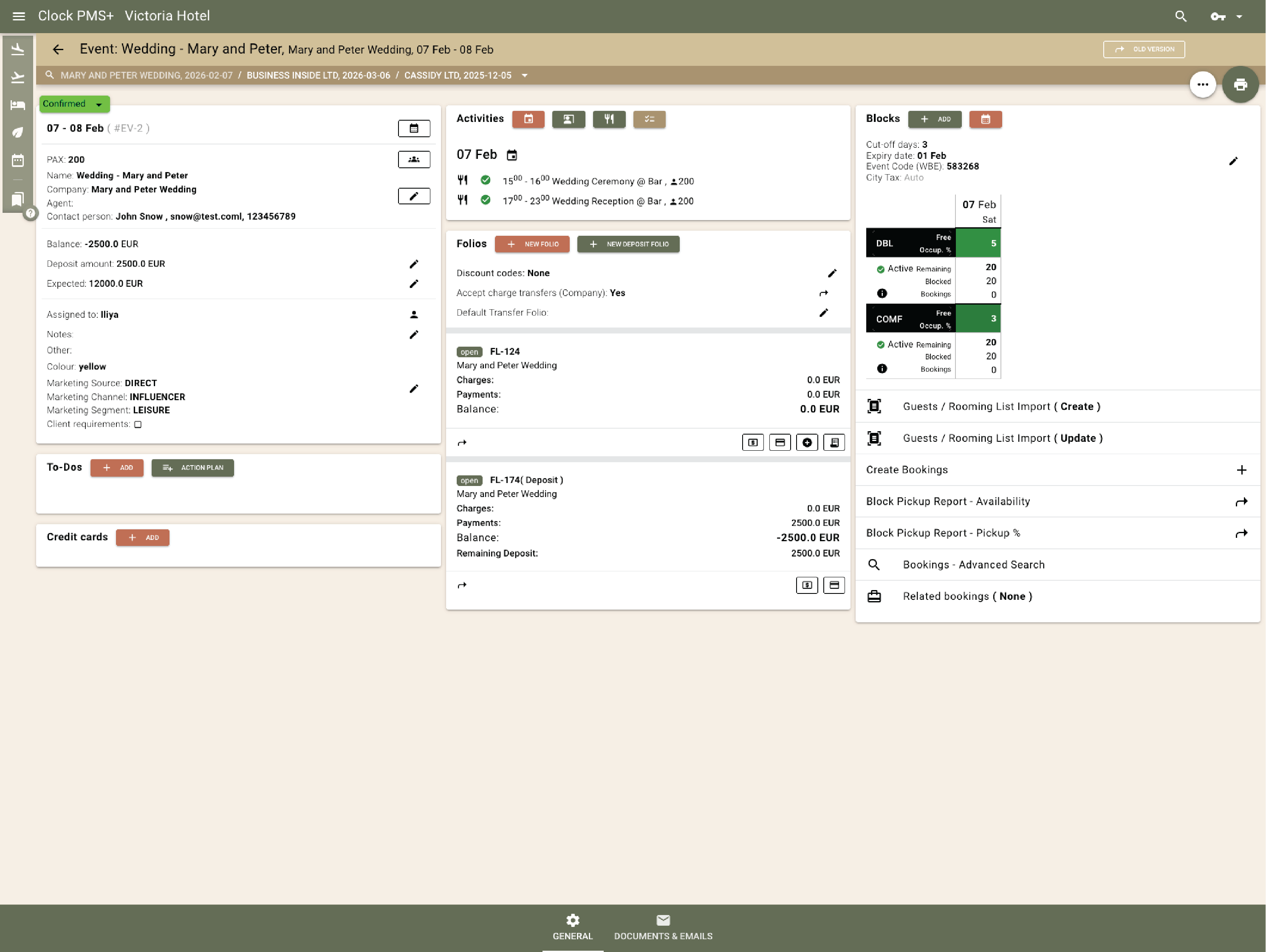
Weddings, seminars and company events are planned in the same system. Room blocks, event spaces, catering, services, and billing rules remain linked and coordinated against overall availability.
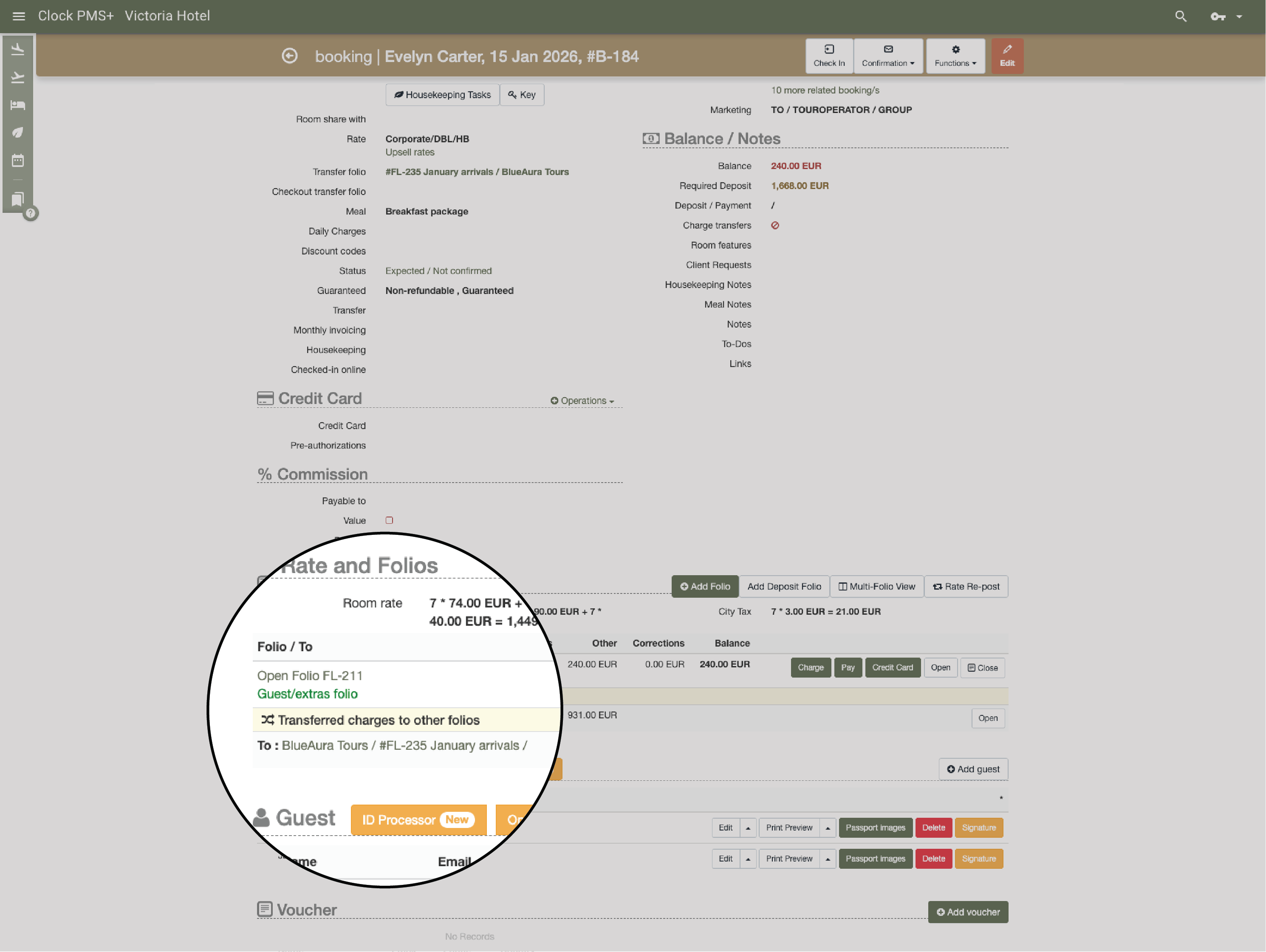
Charges can be routed to tour operator folios or guest folios based on contract rules. Tour operator invoices are generated periodically from actual stays, supporting reconciliation and audit requirements.
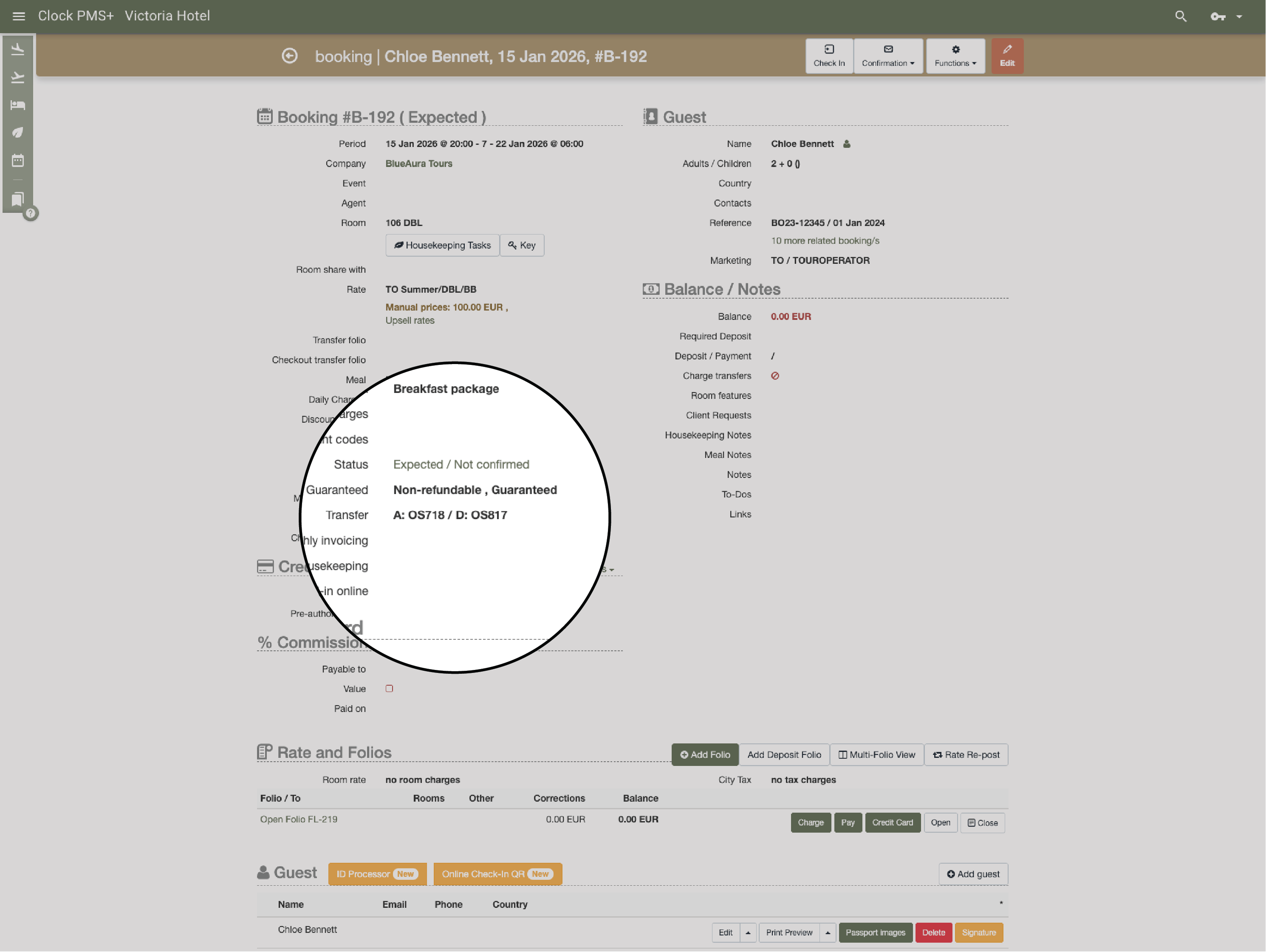
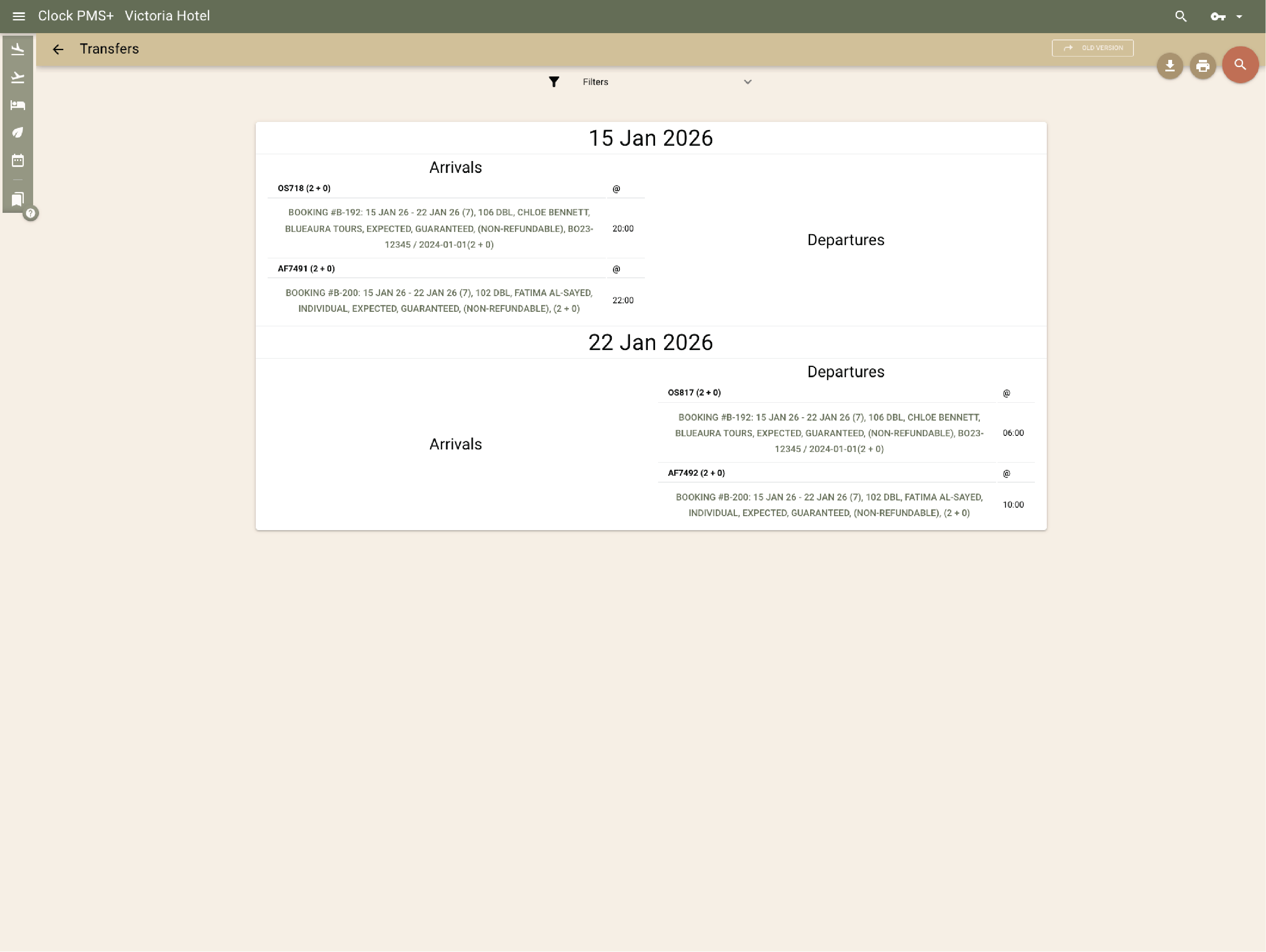
Arrival and departure data linked to tour operator bookings supports transfer planning and front‑office preparation. Flight and arrival details remain visible to operational teams.
Guest and company profiles consolidate stay history, services, and billing data, even when bookings originate from different tour operators or channels.
.webp?width=2980&height=2241&name=Build%20a%20single%20catalog%20of%20group-level%20profiles%2c%20merging%20any%20duplicates%20(1).webp)
Task management supports housekeeping, front office, sales coordination, and group preparation. Tasks and action plans help teams align during peak arrivals, events, and turnovers.
.webp?width=1430&height=1075&name=Keep%20housekeeping%20in%20sync-thumb%20(1).webp)
Reports cover occupancy, pickup against allotments, revenue by operator, invoices, services, and operational KPIs. Dashboards can reflect seasonal and contract‑driven operations.
Different countries. Different teams. Different ways of working. One place to keep the day from getting away from them.


