
Better price management, a comprehensive system API, and a dynamic company that continually develops the software.

Clock is used by hostels that combine dormitory beds, private rooms, and shared facilities in one operation. It supports hybrid inventory models, high booking volumes, activities and extra services, digital guest services, and automated payments, allowing lean teams to manage complex availability and frequent changes efficiently.
Better price management, a comprehensive system API, and a dynamic company that continually develops the software.
Trusted by independent hotels worldwide












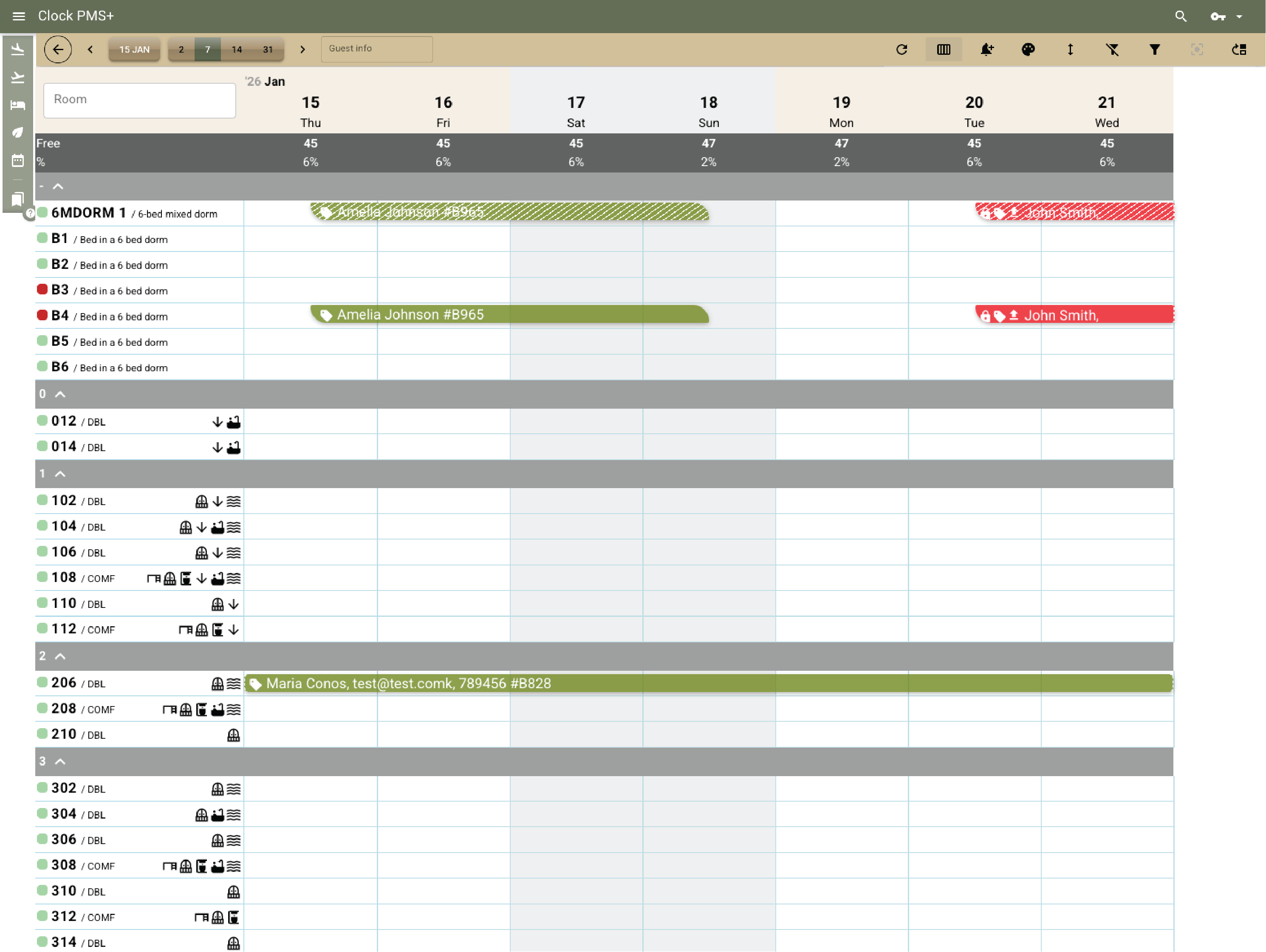
Clock supports hostels that sell both individual beds and entire rooms. Beds and rooms are linked through virtual rooms, allowing availability to be managed in parallel without manual blocking or duplication.
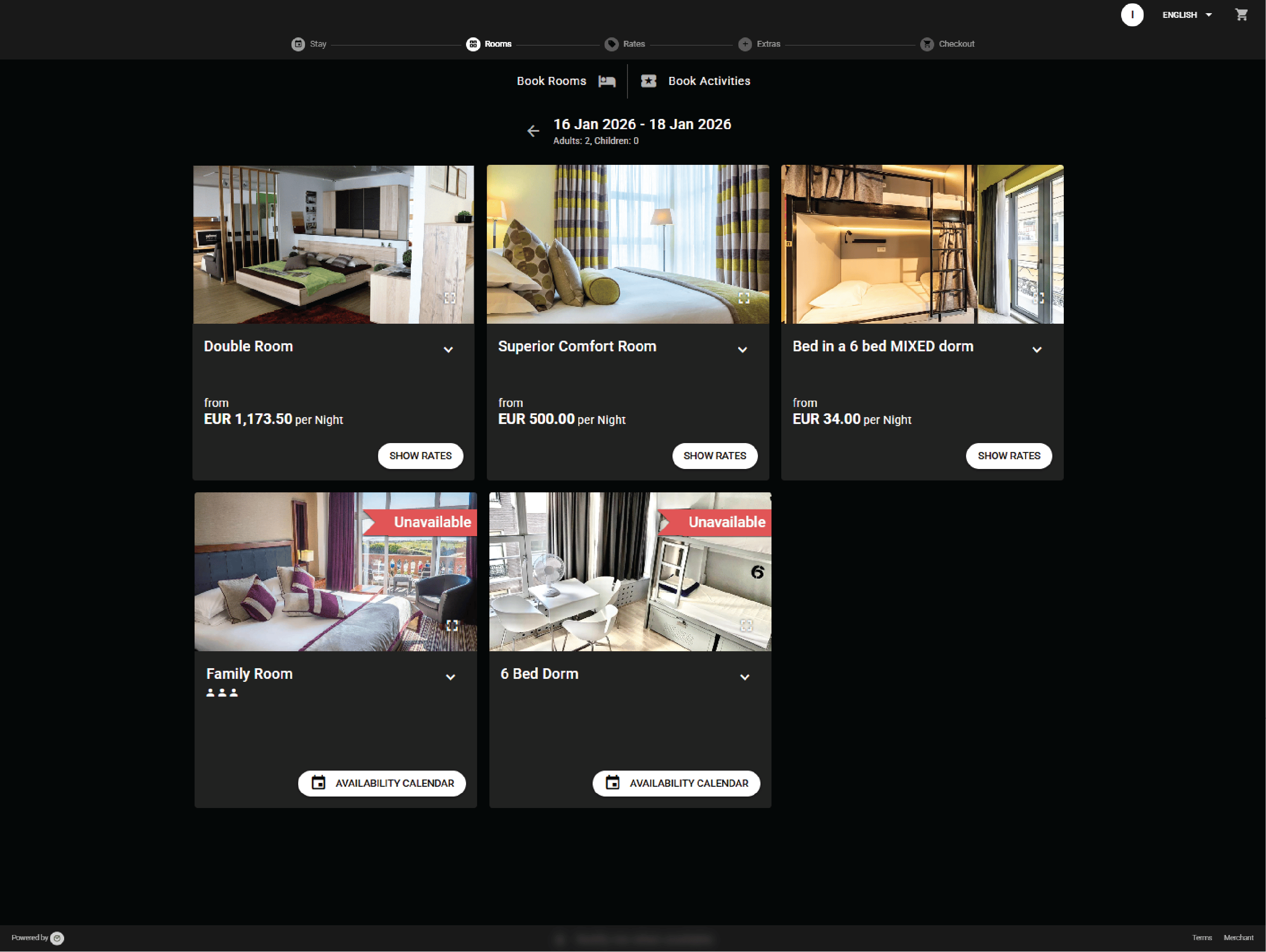
The booking engine supports direct reservations for beds, private rooms, or combinations of both. Rates can be defined per bed or per room, with clear pricing and availability shown to guests.
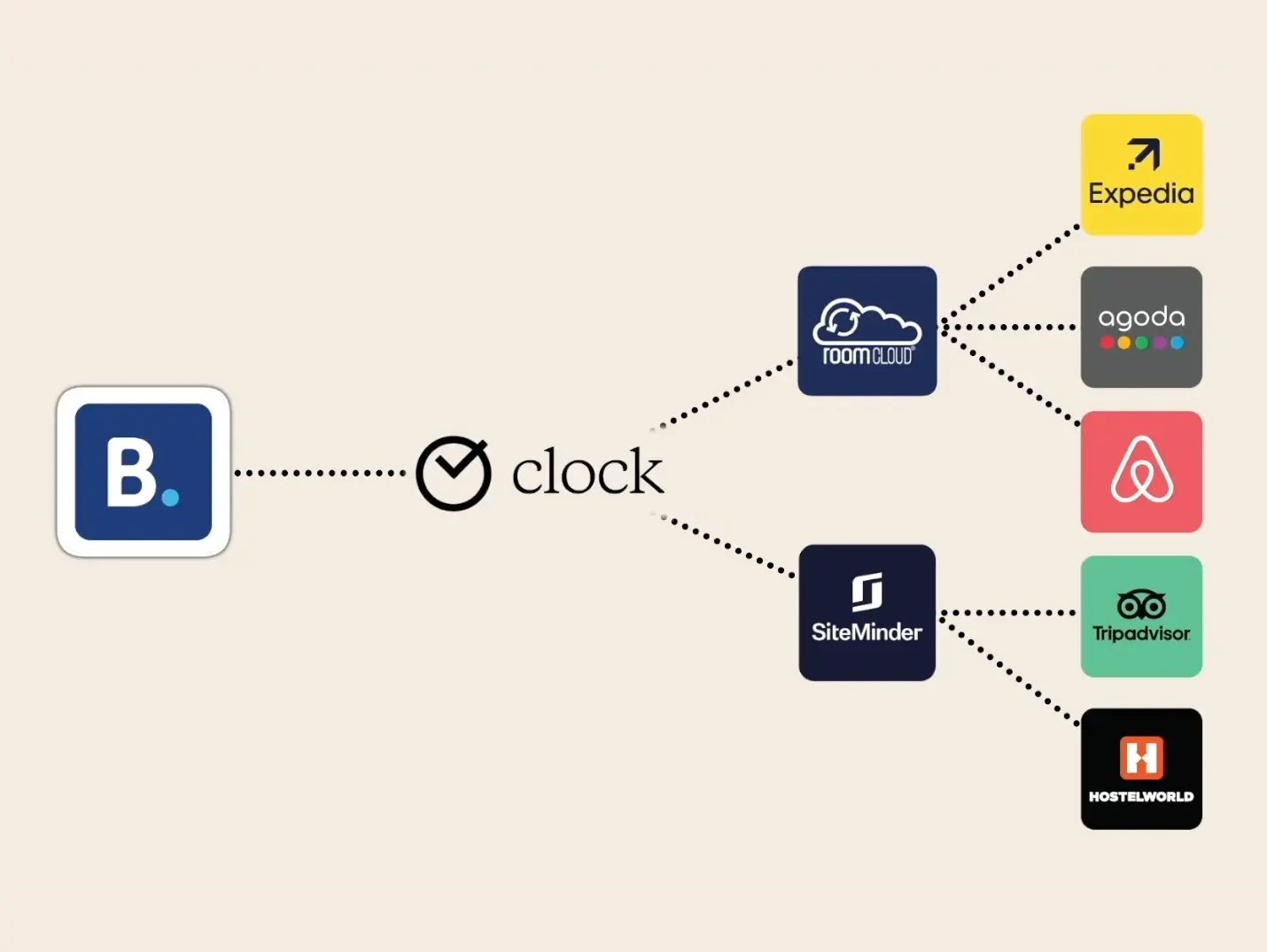
Availability, rates, and restrictions are synchronized automatically with Hostelworld, Booking.com, and other connected channels. Changes in bed or room availability are reflected across all channels.
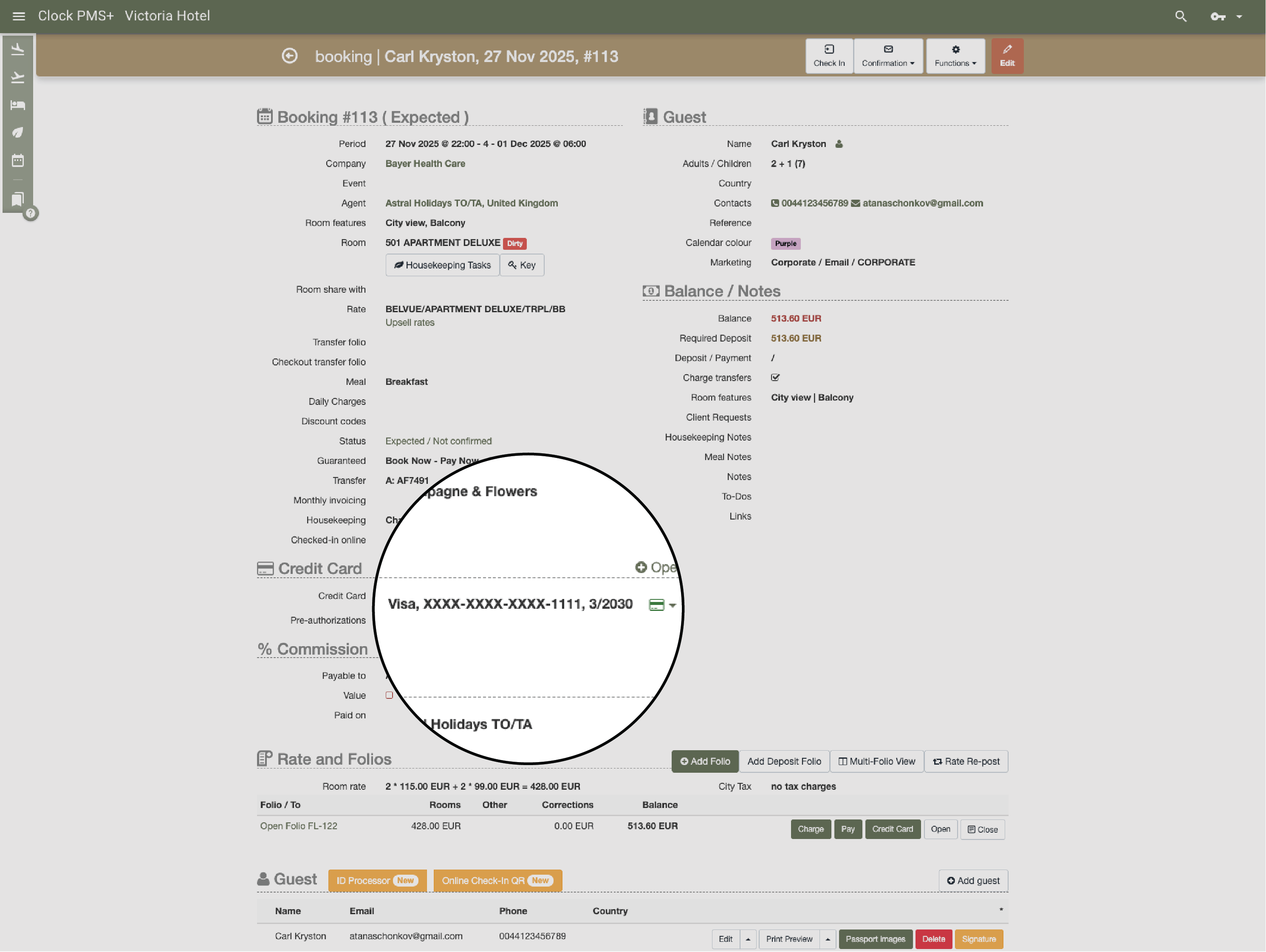
Clock supports card tokenization and automated payment handling. Outstanding balances, no-shows, or add-on charges can be collected automatically using Payments Autopilot.
Guest messaging, online check-in, and the guest portal reduce front-desk workload and support self-service workflows preferred by younger travelers.
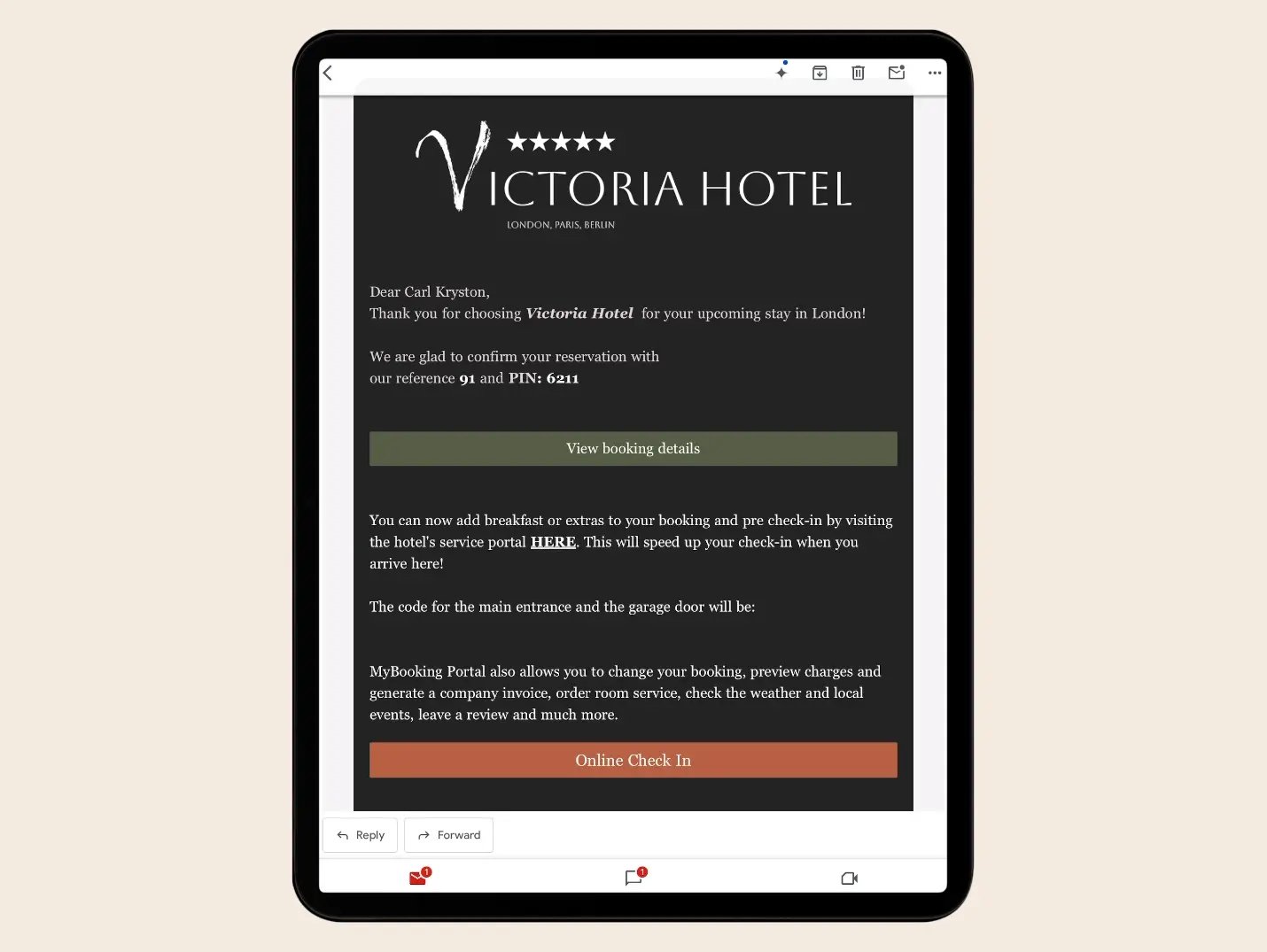
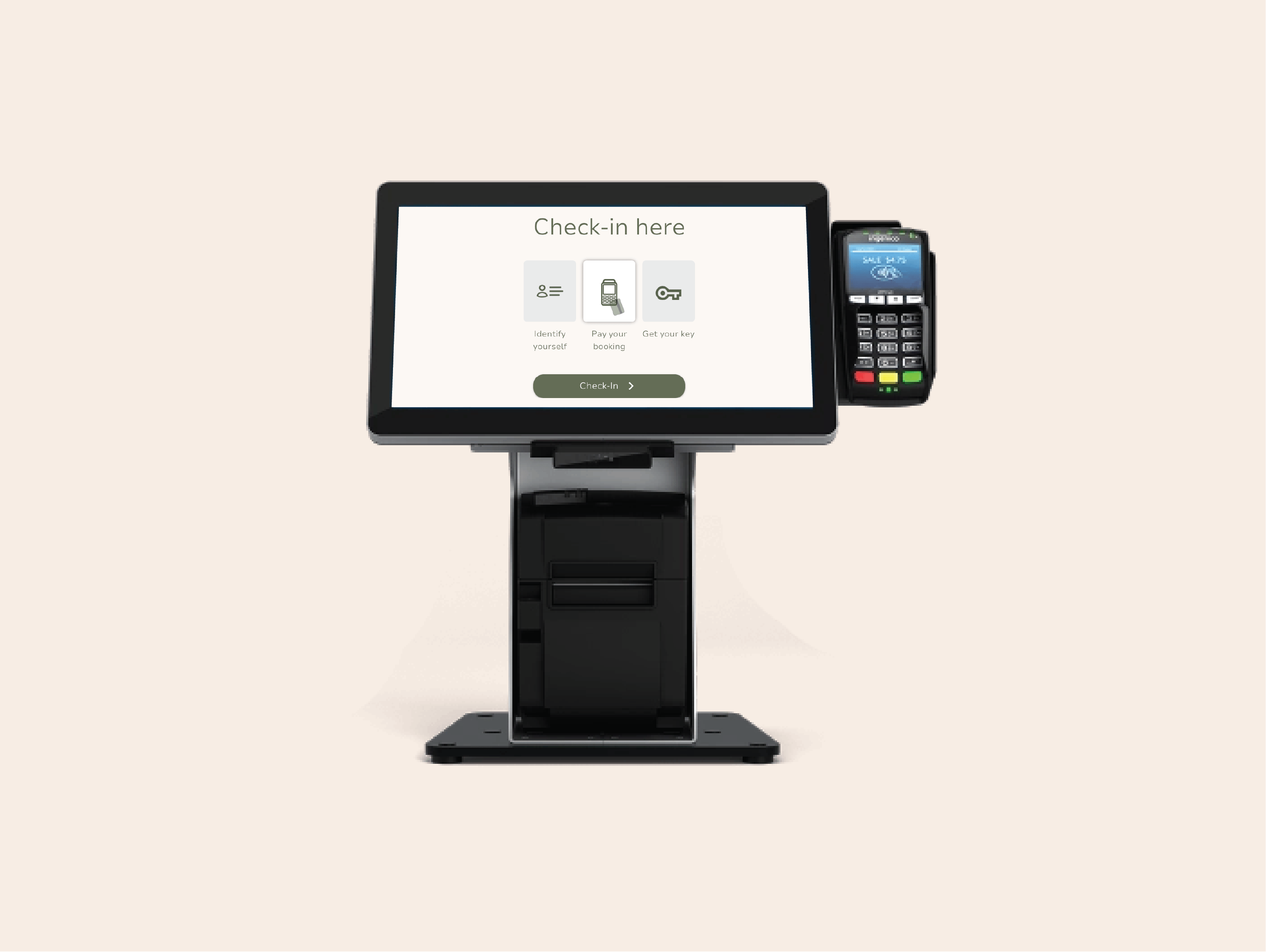
Depending on the access control setup, Clock supports digital keys via PIN codes, kiosks, or card issuance. Keys can be delivered digitally or collected on arrival.
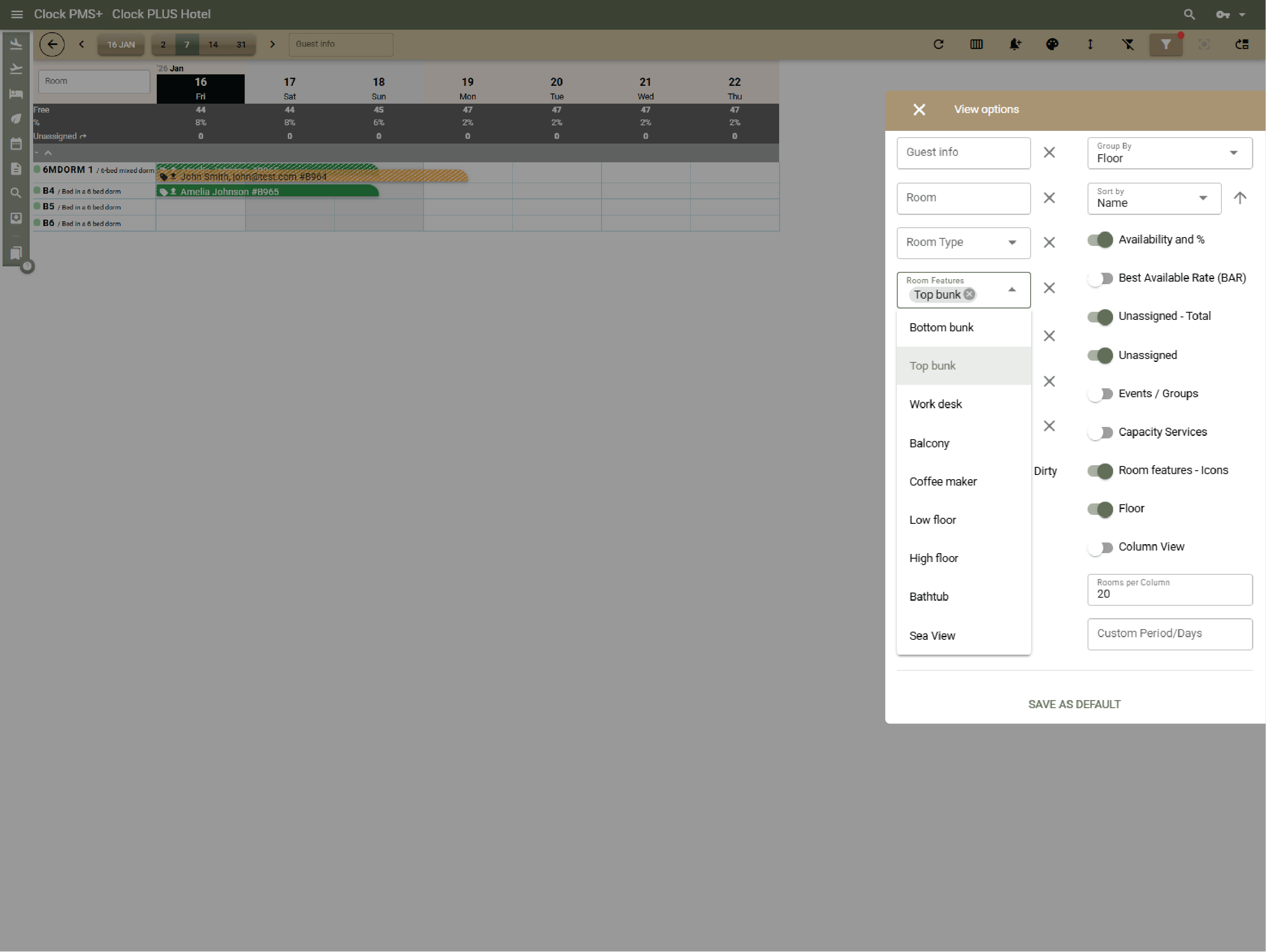
Room and bed attributes such as female-only dorms, upper or lower bunks, or quiet rooms can be defined and managed. Availability can be assigned on the Arrivals screen or through the room calendar.
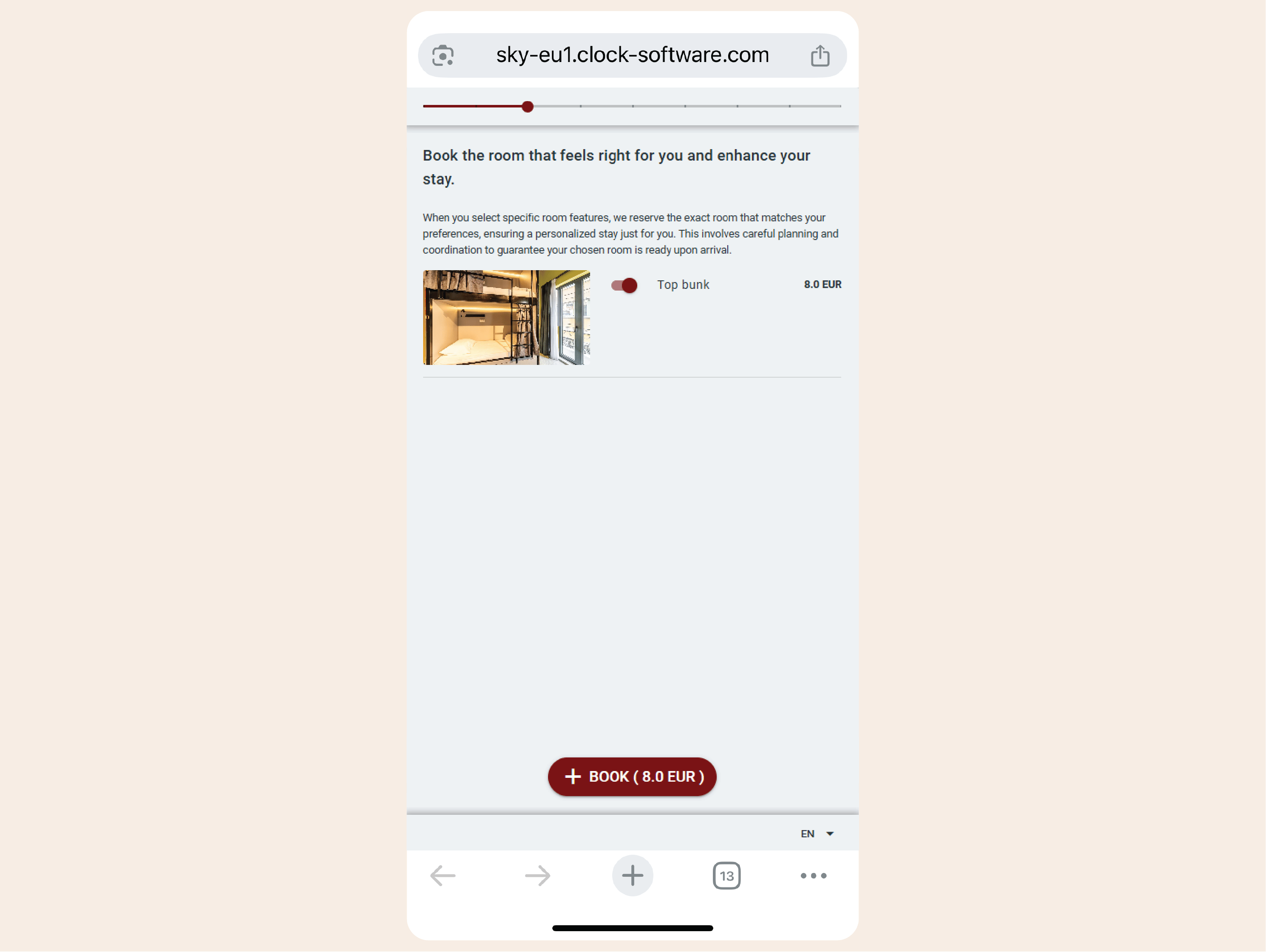
Optional upgrades and attributes can be offered during booking or online check-in, allowing guests to select preferences for an additional charge.
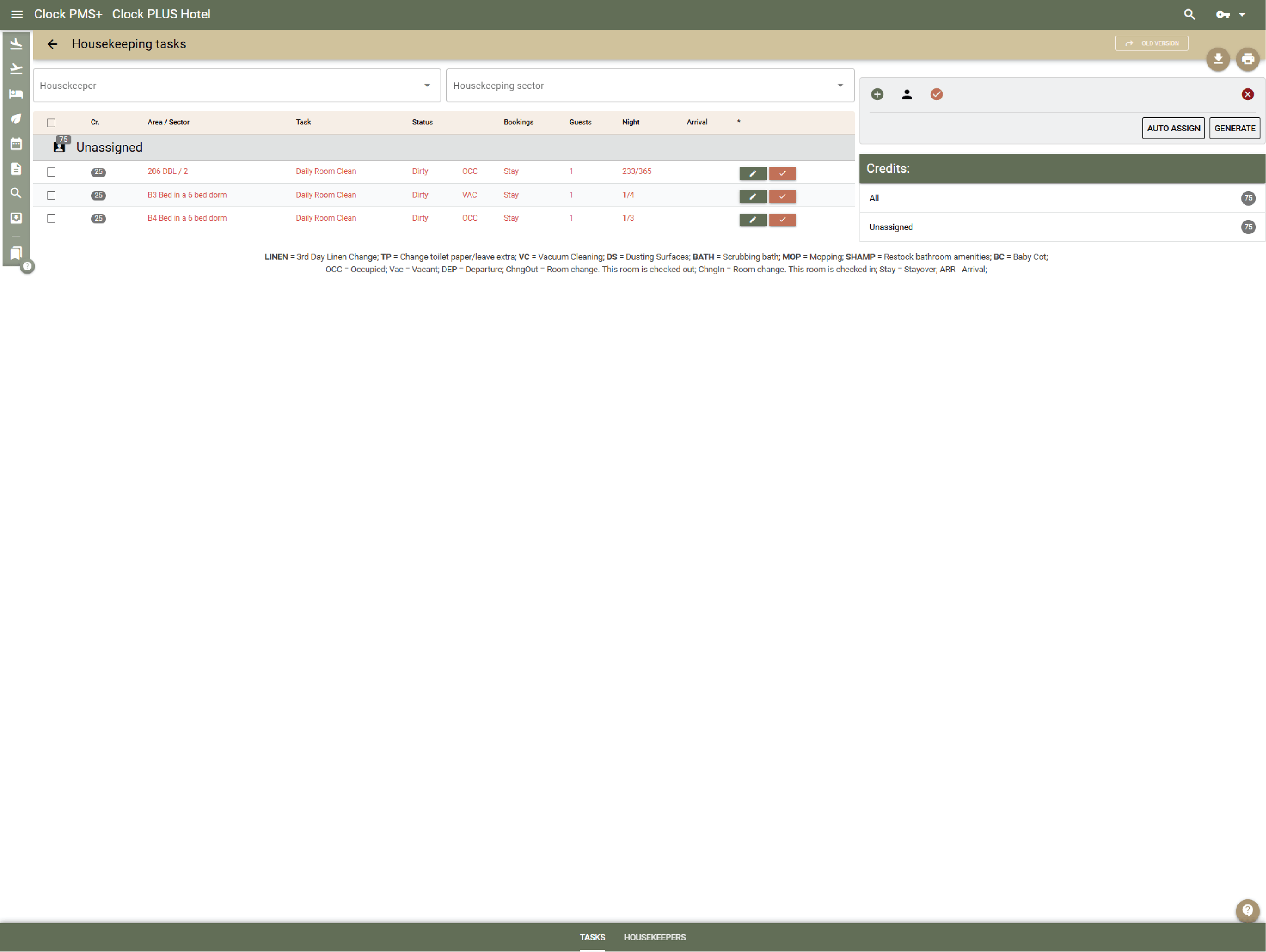
Housekeeping tasks can follow turnover at bed level or room level, depending on how accommodation is sold. This allows hostels to manage cleaning accurately for shared dorms while still supporting full-room stays.
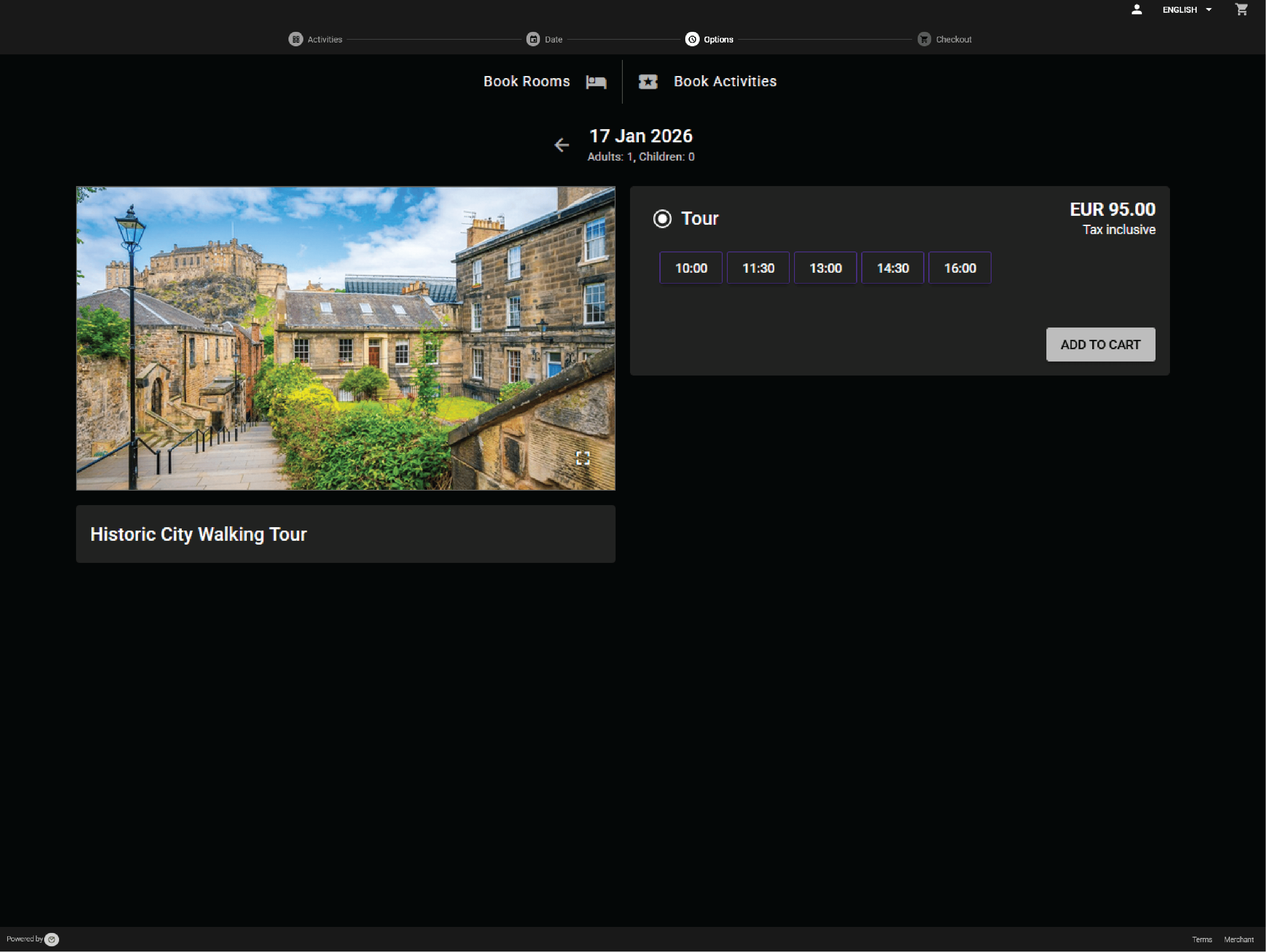
Hostels can offer tours, classes, or social activities with time slots and limited capacity. Activities can be booked together with accommodation or added later.
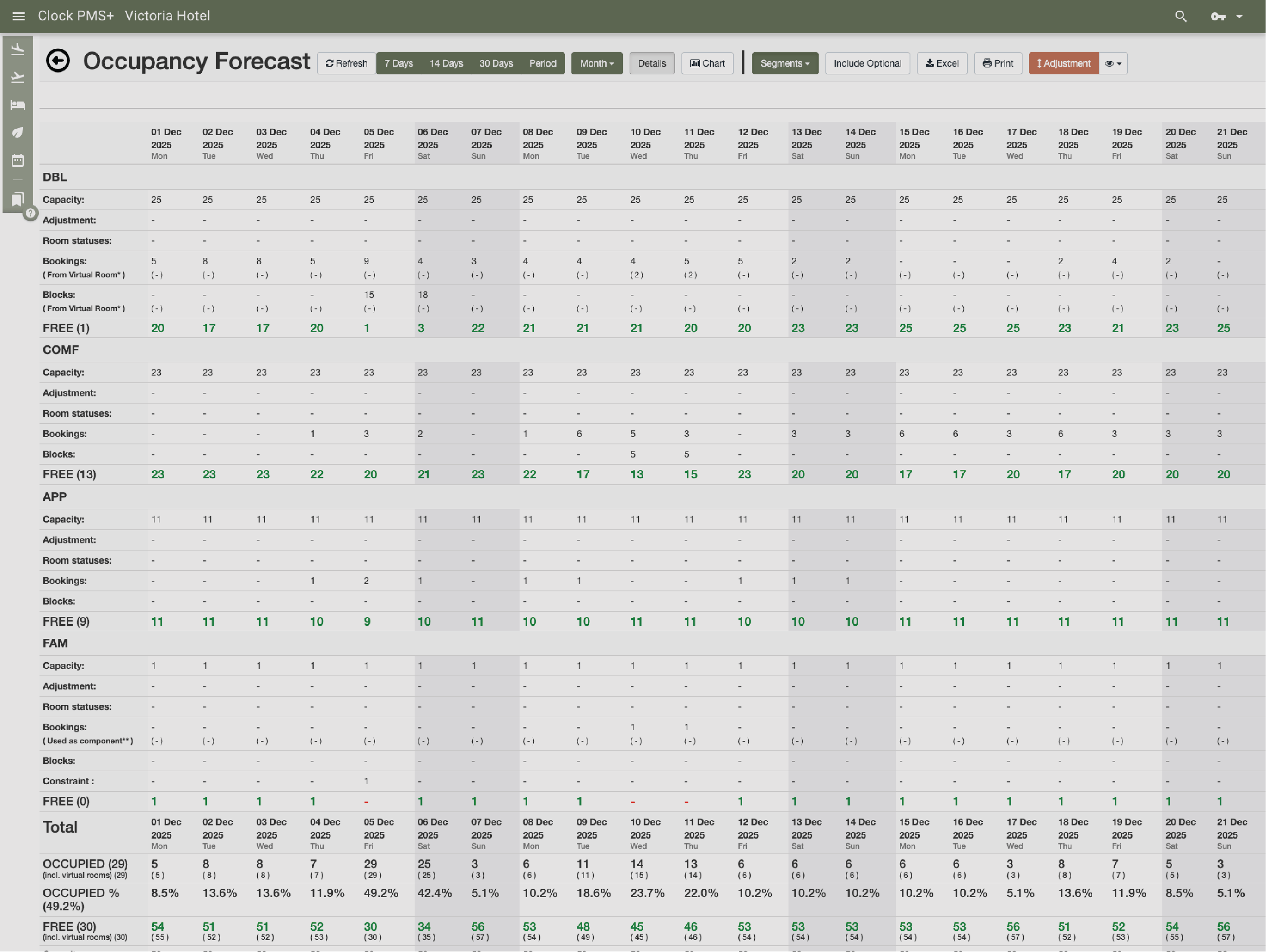
Reports cover occupancy at bed and room level, booking volume, payments, and operational KPIs. Data reflects the hybrid nature of hostel operations.
Different countries. Different teams. Different ways of working. One place to keep the day from getting away from them.


